


 English
  русский
  Español
  Deutsch
  عربى
عربى -
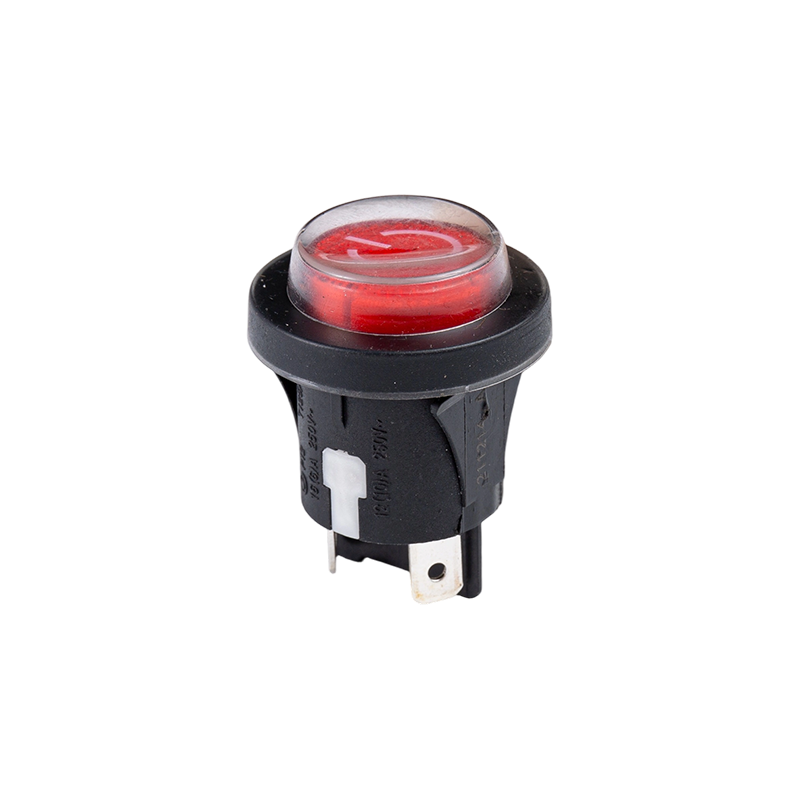
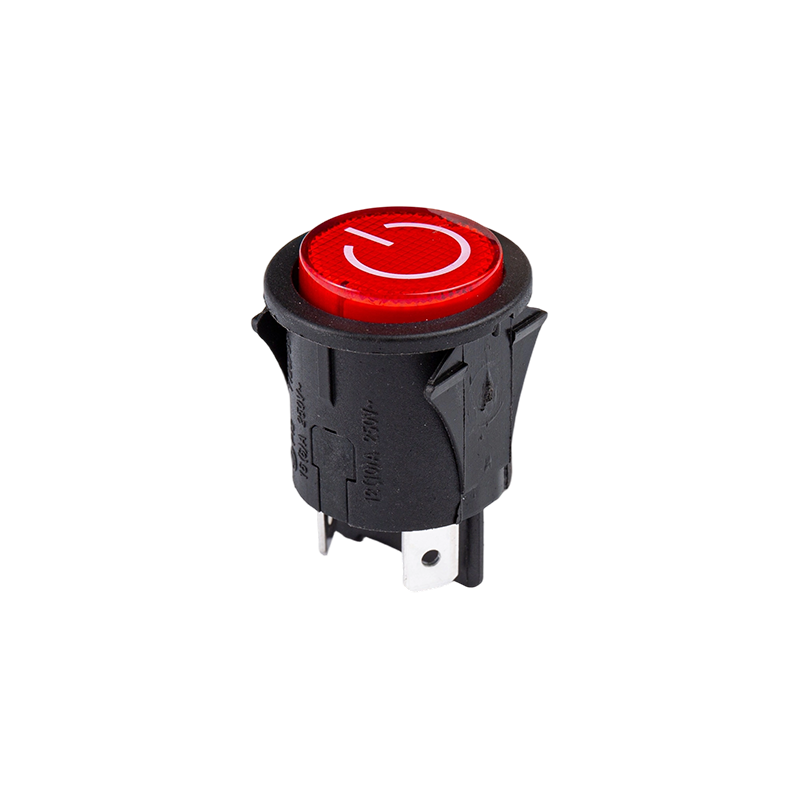
A Rocker Switch is a compact and easy-to-operate manual control component. Its unique rocker-style actuation, combined with a toggle or momentary reset function, allows users to quickly switch circuit...View More >>
-
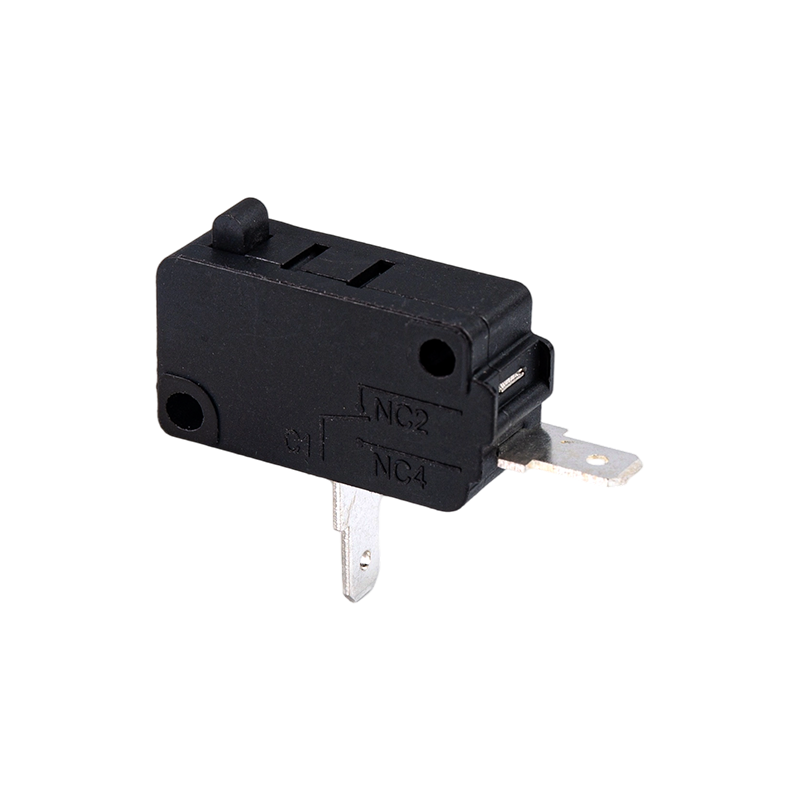
A micro switch is a small mechanical switch with a fast action mechanism, which is widely used in household appliances, industrial automation, automotive electronics, medical equipment, and other fiel...View More >>
-
The baby stroller gear switch is an innovative product independently developed by our company. We have applied for invention patents both domestically and internationally, which fully demonstrates the...View More >>
-
Push button switches are widely used in various control systems with their diverse structural designs, high-strength material selection, and excellent performance. The products are available in a vari...View More >>
-
The internal structure of the piano key switch mostly adopts a mechanical or light-touch design. Some high-end models use capacitive sensing technology to achieve contactless operation, thereby improv...View More >>
-
The knob switch adopts a high-sensitivity rotary contact structure, which has smooth operation and clear positioning, ensuring that every adjustment is accurate. The product has excellent durability a...View More >>
-
The KM trigger switch is a universal high-current switch designed for high-power power tools, with excellent current carrying capacity and stable performance. The internal fast-action structure ensure...View More >>
-
A door control switch, also known as a door magnetic switch or door status sensor, is a key electrical component widely used in industrial control, security systems, intelligent building automation, a...View More >>
-
The wiring harness is an overall wiring assembly that integrates multiple wires, cables, terminals, and connectors according to specific electrical design and mechanical structure requirements. It is ...View More >>
-
PCB control board is one of the indispensable core components in modern electronic devices. As the brain of the control system, it is widely used in many fields such as industrial automation, consumer...View More >>
NEWS
 Home / News / Industry News / Micro Switch Buyer's Guide: Types, Specifications, and Selection Tips for Reliable Designs
Micro Switch Buyer's Guide: Types, Specifications, and Selection Tips for Reliable Designs
 2026.09.30
 Industry News
Pick up almost any modern appliance, power tool, or control panel and you will find a small switch clicking away inside, quietly turning a user's intent into an electrical signal. That component is the micro switch, and it has been our daily work at Shanghai Qijia Electronics for years. In this guide we share what the production line teaches us: how these snap-action switches operate, which specifications decide whether a design succeeds, and how to choose a part that still works after hundreds of thousands of cycles.
Content
- 1 What Is a Micro Switch?
- 2 How a Micro Switch Works
- 3 Inside the Housing: Components That Do the Work
- 4 Common Micro Switch Types and Actuator Options
- 5 Reading the Datasheet: Specifications That Matter
- 6 Where Micro Switches Are Used
- 7 How to Choose the Right Micro Switch for Your Design
- 8 Reliability and Long-Term Performance
- 9 Working With a Switch Manufacturer
What Is a Micro Switch?
A micro switch is a small, snap-action electrical switch that changes its contact state in response to a very small movement or force at its actuator. The name refers to the tiny actuation distance required, not to the size of the switch. In technical literature you will also meet the terms miniature snap-action switch and, in some catalogues, sensitive switch. They all describe the same device.
What makes the design special is the over-center spring mechanism inside. Rather than depending on how fast a user presses the actuator, the switch stores energy in a spring and releases it in one decisive movement. The contacts therefore open and close quickly, which limits arcing, keeps contact bounce short, and produces the crisp click that engineers treat as a dependable feedback signal.
How a Micro Switch Works
The working sequence is simple to describe and surprisingly precise in practice.
- An external force from a lever, cam, slider, or door latch presses the plunger.
- The plunger transfers that force through a spring to a moving contact arm.
- At a defined point of travel, the spring passes its over-center position and snaps the moving contact from the normally closed terminal to the normally open terminal.
- When the force is removed, the spring returns the contacts to their rest position.
Four travel figures on a datasheet describe this sequence: pre-travel, the movement before the contacts change state; travel to the operate point, where the snap happens; differential travel, the distance between the operate and release points; and overtravel, the extra movement available after the contacts have changed, which protects the mechanism from damage. Operating force and release force tell you what kind of lever or cam the design needs.
Inside the Housing: Components That Do the Work
Most micro switches share the same basic bill of materials, and every part has a job.
- Actuator or plunger: transfers external motion into the housing.
- Moving contact arm and spring: stores and releases the energy that creates snap action.
- Fixed terminals: the normally open, normally closed, and common terminals, usually tin-plated brass or copper alloy.
- Contact points: silver alloys chosen for low contact resistance and resistance to welding under inrush current.
- Housing and cover: thermoplastic or thermoset bodies that hold tolerances and, in sealed versions, keep dust and moisture away from the contacts.
- Lever or roller: an optional part that multiplies force, changes travel, or follows a cam profile.
Because the housing positions all of those parts, mould quality and assembly tolerance matter as much as contact material. A switch that is a few hundredths of a millimetre out of alignment will show an inconsistent operate point.
Common Micro Switch Types and Actuator Options
Micro switches are usually sorted by how they are actuated, because that choice follows the mechanics of the machine they will sit in.
- Pin plunger: the simplest form, pushed directly by a cam or sliding part where travel is short and precise.
- Leaf spring or flat lever: a flexible strip that absorbs overtravel and copes with slow or uneven actuation.
- Hinged lever: a rigid lever that reduces the force needed and increases travel.
- Roller lever: a hinged lever with a roller, ideal for cams and fast-moving parts where friction and wear must stay low.
- Panel mount plunger: a longer threaded plunger, often used for door and interlock sensing.
Beyond the actuator, the same electrical mechanism appears in different housings, terminal orientations, and sealing levels. Our MS-series micro switch families follow this logic: the MS11 group for compact appliance duty, the MS152 group for tools and heavier loads, the MS153 group for general low-power switching, and the MS156 group with a wider safety margin.
Reading the Datasheet: Specifications That Matter
When two switches look identical in a photograph, the difference is in the numbers. The table below explains the values we quote most often and what they mean for a design.
| Parameter | What it defines | Why it matters |
|---|---|---|
| Rated current and voltage | Load the contacts can switch repeatedly | Decides whether the switch drives a heater, a motor, or a logic signal |
| Operating force | Force needed to change contact state | Sets the lever length and the feel for the user |
| Contact resistance | Resistance across closed contacts | Keeps voltage drop and heating low in signal circuits |
| Dielectric strength | Voltage the insulation withstands | Needed for safety clearances in mains-powered equipment |
| Mechanical life | Actuations without electrical load | Shows the endurance of the mechanism itself |
| Electrical life | Cycles at rated load | Usually much lower, and closer to real service |
| Operating temperature | Ambient range for reliable operation | Critical in tools, heaters, and outdoor equipment |
| Travel figures | Movement geometry of the actuator | Prevents over-travel or missed actuation in the assembly |
Our engineering team keeps a longer explanation of micro switch specifications and how they are measured in the technical articles on this site if you would like to go deeper.
Where Micro Switches Are Used
The snap-action principle fits almost anywhere a machine has to detect position, movement, or the presence of a part.
Small kitchen appliances are the classic home of the micro switch. A soy milk maker or a juicer uses one to confirm that the lid is locked before the motor starts, and in many designs the same switch also carries the motor current.
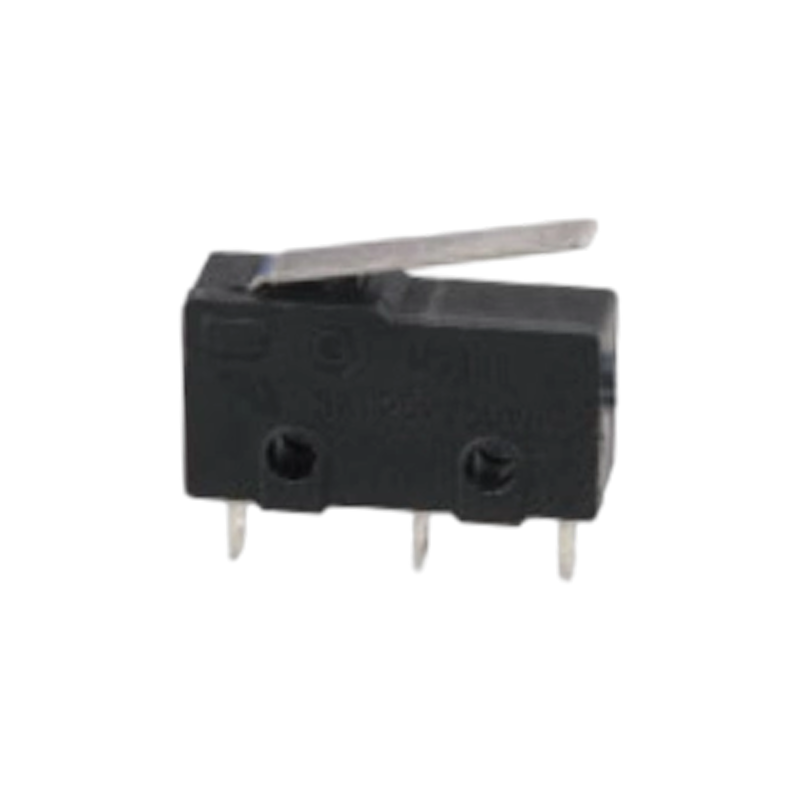 MS11-11 Small Appliances Micro Switch LeverCQC Certification Technical Parameters: 3A 250VAC T120 μ 1E4View Product →
Power tools, garden tools, and cleaning equipment are a harder environment: dust, vibration, and heavy inrush currents. A trigger or lock-off switch here has to survive both mechanical abuse and electrical load, which is why these designs use larger contact gaps and stiffer springs.
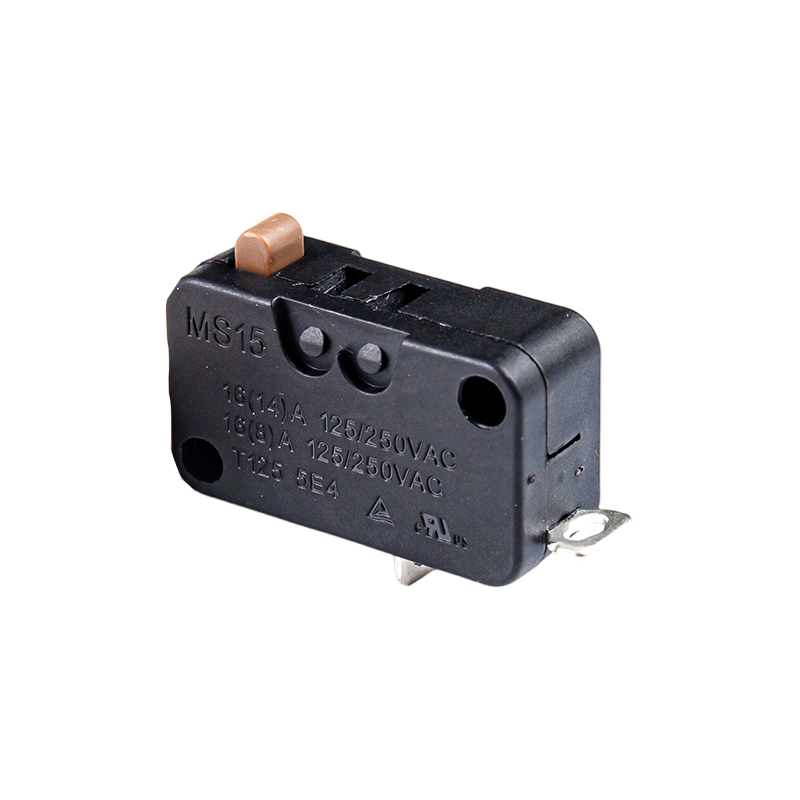
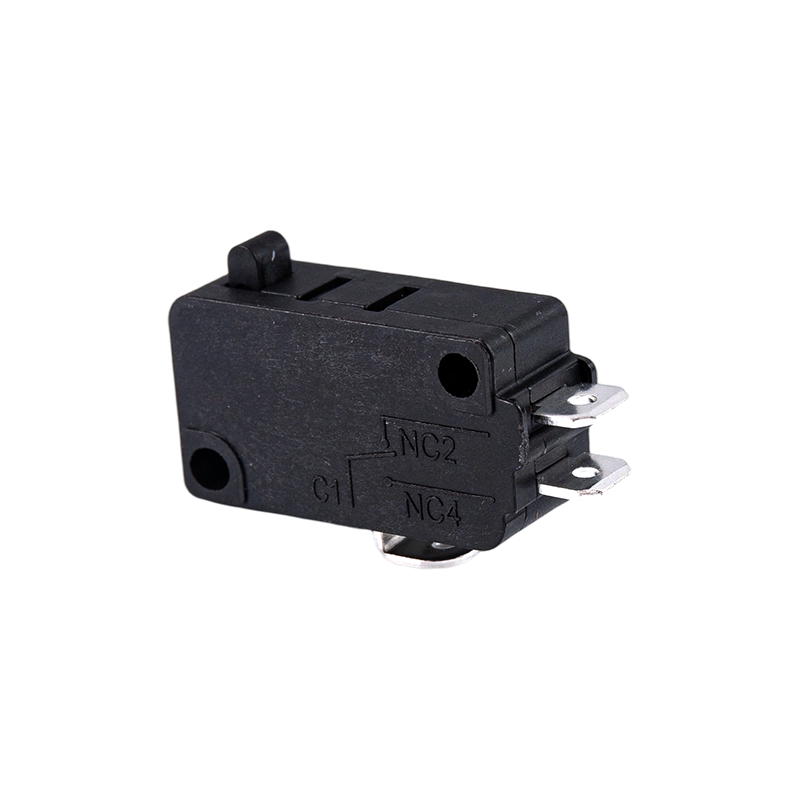
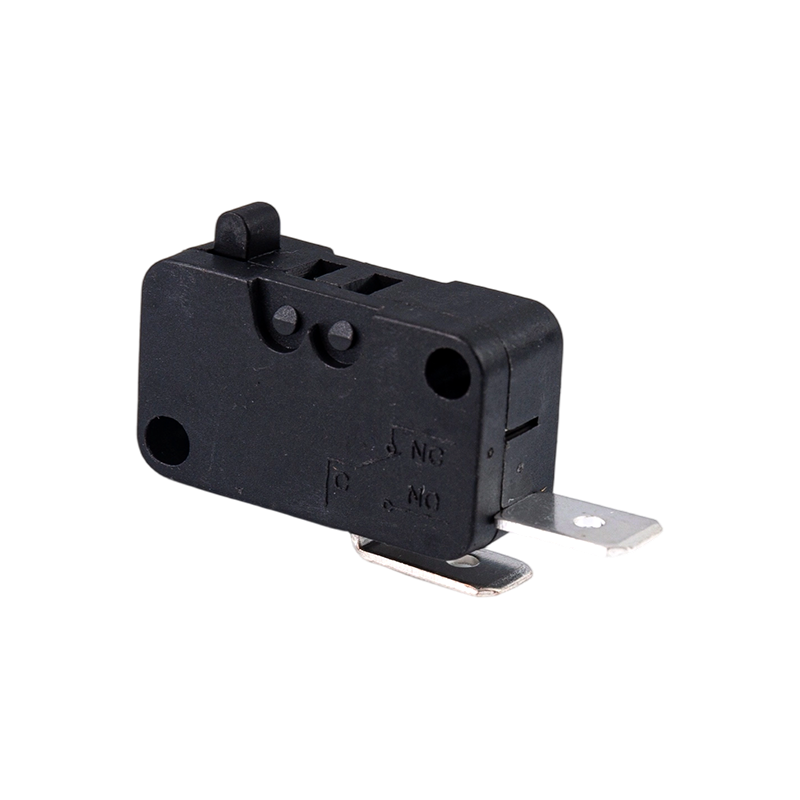 MS15-2A1 Power Tools Micro SwitchSafety Certification Technical Data: This product is certified by UL, TUV, KC, and CQC.View Product →
You will also find micro switches in office equipment and printers, in computer peripherals, on industrial control panels, in door and gate status sensing, and in automotive and medical devices where a small, repeatable signal is essential. The requirements differ, but the underlying question is always the same: can this switch detect the movement reliably for the life of the product?
How to Choose the Right Micro Switch for Your Design
Selection becomes straightforward once you work through the electrical and mechanical questions in order.
- Start with the load. Write down the voltage, the steady current, and the inrush current. A switch rated for 5A resistive will not enjoy switching a motor directly.
- Match the actuator to the mechanism. A cam wants a roller lever; a slow-moving door wants a leaf spring or a panel mount plunger.
- Check the environment. Dust, moisture, oil, and temperature decide whether you need a sealed housing, a dustproof structure, or a temperature-resistant variant.
- Confirm the mounting envelope. Terminal orientation, plunger height, and mounting hole spacing are the details that stop a project at the last minute.
- Compare life expectancy with the duty cycle. If a machine cycles twice a minute for ten years, a couple of hundred thousand operations is not enough.
- Test a small batch in the real assembly. Fixture pressure, wire routing, and actuator alignment reveal problems that a bench test never will.
Reliability and Long-Term Performance
A micro switch is a mechanical device, and most field failures come from mechanics rather than electronics. We cycle samples on life-test rigs at the rated load and record when the operate point drifts, because contact materials, spring tension, and housing alignment decide that number.
For designs with higher safety expectations, we recommend a switch built with a wider margin, such as the MS156B3 in our micro switch range, which was developed for strong compatibility and stable switching in demanding equipment.
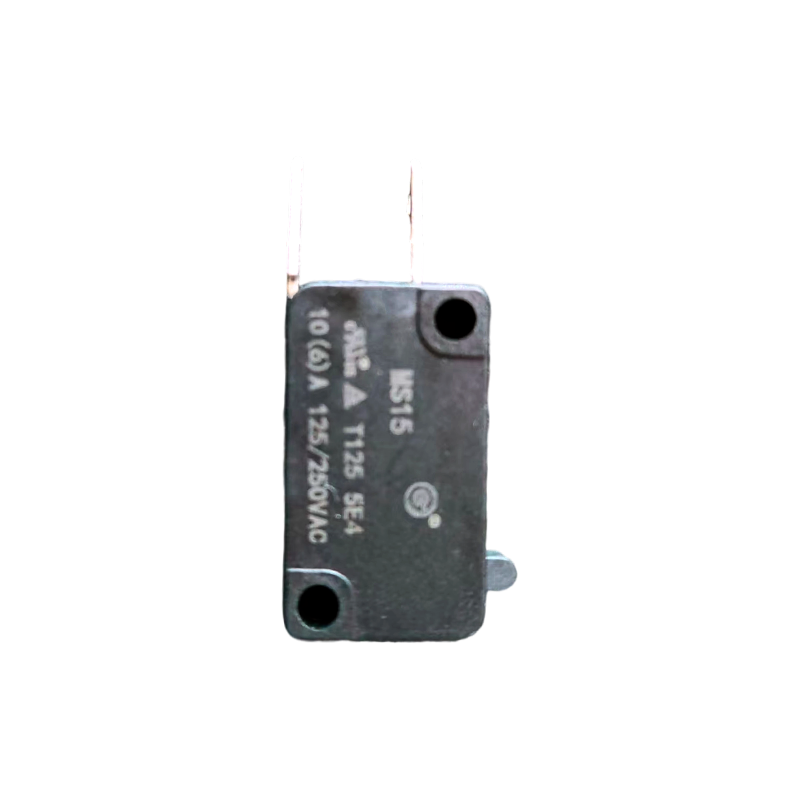 MS15-6B3 High safety Strong compatibility Micro SwitchSafety Certification Technical Data: This product is certified by UL, TUV, KC, and CQC.View Product →
- Do not force the actuator past its overtravel limit during assembly.
- Keep dust and swarf away from the plunger; a sealed or dustproof body is worth the extra cost in dirty environments.
- Watch soldering temperature and time, because excessive heat can distort the housing and shift the operate point.
Working With a Switch Manufacturer
Micro switches are small, but they sit at the point where a user's action becomes a machine's decision, so the choice deserves the same attention as any other critical component. If you would like help narrowing the options, send us your voltage, current, travel, and environment details, and our team will suggest a matching configuration and, where useful, a wiring harness or PCB control board to go with it.
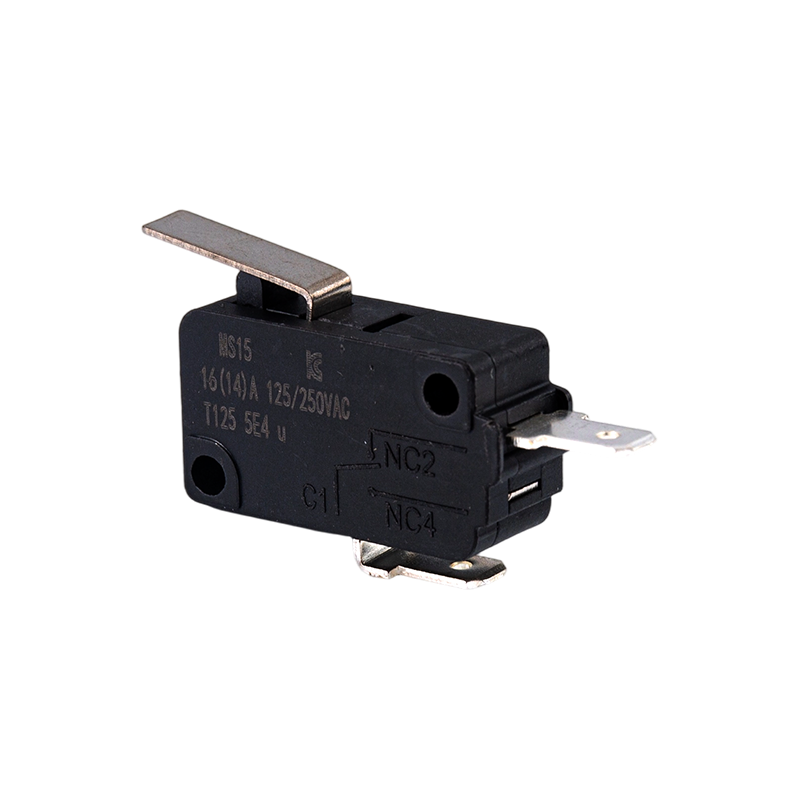


A Appliance Switches Manufacturer that has been focusing on the development, production and sales of Switches for 21 years;
Products Links
Contact Information
Tel: +86-021-33752188
Phone: +86-13524812989
E-Mail: [email protected]
[email protected]
[email protected]Address: No. 580 Shenzhou Road, Fengxian District, Shanghai, China

