


 English
  русский
  Español
  Deutsch
  عربى
عربى -
A Rocker Switch is a compact and easy-to-operate manual control component. Its unique rocker-style actuation, combined with a toggle or momentary reset function, allows users to quickly switch circuit...View More >>
-
A micro switch is a small mechanical switch with a fast action mechanism, which is widely used in household appliances, industrial automation, automotive electronics, medical equipment, and other fiel...View More >>
-
The baby stroller gear switch is an innovative product independently developed by our company. We have applied for invention patents both domestically and internationally, which fully demonstrates the...View More >>
-
Push button switches are widely used in various control systems with their diverse structural designs, high-strength material selection, and excellent performance. The products are available in a vari...View More >>
-
The internal structure of the piano key switch mostly adopts a mechanical or light-touch design. Some high-end models use capacitive sensing technology to achieve contactless operation, thereby improv...View More >>
-
The knob switch adopts a high-sensitivity rotary contact structure, which has smooth operation and clear positioning, ensuring that every adjustment is accurate. The product has excellent durability a...View More >>
-
The KM trigger switch is a universal high-current switch designed for high-power power tools, with excellent current carrying capacity and stable performance. The internal fast-action structure ensure...View More >>
-
A door control switch, also known as a door magnetic switch or door status sensor, is a key electrical component widely used in industrial control, security systems, intelligent building automation, a...View More >>
-
The wiring harness is an overall wiring assembly that integrates multiple wires, cables, terminals, and connectors according to specific electrical design and mechanical structure requirements. It is ...View More >>
-
PCB control board is one of the indispensable core components in modern electronic devices. As the brain of the control system, it is widely used in many fields such as industrial automation, consumer...View More >>
NEWS
 Home / News / Industry News / What Is a Waterproof Button Switch, and How Do You Pick the Right One?
What Is a Waterproof Button Switch, and How Do You Pick the Right One?
 2026.08.18
 Industry News
Content
- 1 What Is a Waterproof Button Switch?
- 2 How a Waterproof Push Button Switch Is Built
- 3 Understanding IP Ratings on Waterproof Button Switches
- 4 Common Places You'll Find Waterproof Button Switches
- 5 How to Choose the Right Waterproof Button Switch
- 6 Installation Tips to Keep the Switch Truly Waterproof
- 7 Maintaining a Waterproof Button Switch Over Time
What Is a Waterproof Button Switch?
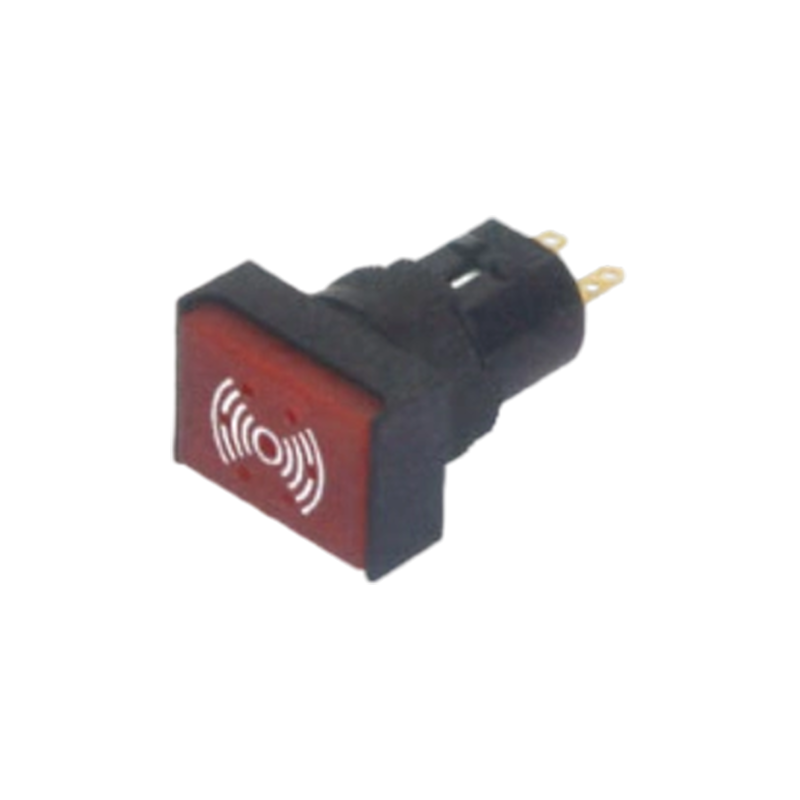
A waterproof button switch is a push-button style electrical switch that has been specially sealed so that water, dust, and moisture cannot get inside the housing and damage the internal contacts. Unlike a regular button switch, which usually has small gaps around the cap or the mounting collar, a waterproof button switch uses rubber gaskets, silicone seals, or a fully potted internal structure to block out liquid. This makes it a popular choice for outdoor equipment, marine electronics, industrial machines, and any device that might get splashed, rained on, or even submerged for short periods.
The term "waterproof" can mean different things depending on the product, so it's worth understanding that not every waterproof button switch is built for the same level of exposure. Some are only rated to resist light splashing, while others can be fully submerged in water for extended periods without failing. This is why checking the IP rating, which we'll cover below, is one of the most important steps before buying.
How a Waterproof Push Button Switch Is Built
Most waterproof push button switches share a similar basic structure, but the sealing method is what sets them apart from standard switches. Here are the key parts that make a button switch waterproof:
- A silicone or rubber cap that covers the button and flexes when pressed, keeping water from seeping through the top
- An O-ring or gasket seal around the mounting thread, which stops water from entering through the panel hole
- A sealed or potted internal chamber that protects the metal contacts from moisture and corrosion
- Stainless steel or nickel-plated brass housing that resists rust when exposed to water over time
- Sealed wire leads or waterproof connectors so moisture can't travel down the cable into the switch
When all of these elements work together, the switch can be pressed thousands of times without losing its water resistance, which is especially important for buttons that get used daily, like power switches or horn buttons.
Understanding IP Ratings on Waterproof Button Switches
The IP rating (Ingress Protection rating) tells you exactly how well a waterproof button switch resists dust and water. It's written as "IP" followed by two numbers, such as IP65 or IP67. The first number refers to solid particle protection, like dust, and the second number refers to water protection. Here's a simple breakdown of the ratings you'll most often see on waterproof switches:
| IP Rating | Dust Protection | Water Protection | Typical Use |
| IP54 | Limited dust protection | Splash resistant | Indoor appliances, light outdoor use |
| IP65 | Fully dust tight | Protected from water jets | Outdoor control panels |
| IP67 | Fully dust tight | Withstands temporary submersion | Marine devices, automotive equipment |
| IP68 | Fully dust tight | Withstands continuous submersion | Underwater equipment, heavy-duty industrial use |
For most household or DIY projects, an IP65 or IP67 waterproof button switch is more than enough. IP68 switches are usually reserved for equipment that will be regularly soaked or submerged, such as boat components or underwater lighting systems.
Common Places You'll Find Waterproof Button Switches
Waterproof button switches show up in far more places than people realize, mainly because so many everyday devices need to survive moisture, humidity, or accidental spills. Some of the most common applications include:
- Outdoor lighting systems and garden power stations
- Boats, kayaks, and other marine electronics
- Car horns, off-road vehicle accessories, and motorcycle controls
- Industrial machines exposed to washdowns or wet environments
- Kitchen appliances and outdoor cooking equipment
- Home security devices, doorbells, and access control panels
In almost every case, the goal is the same: keep the button functional even when it's exposed to rain, splashes, humidity, or accidental contact with liquids.
How to Choose the Right Waterproof Button Switch
Picking the right waterproof button switch isn't just about grabbing the first "waterproof" label you see. A few practical factors will determine whether the switch actually holds up in your specific application.
Match the IP Rating to Your Environment
If the switch will only face occasional rain or splashing, IP65 is usually sufficient. If it might be submerged, even briefly, go with IP67 or higher. Overpaying for a higher rating than you need isn't necessary, but underestimating exposure can lead to early failure.
Check the Voltage and Current Rating
Waterproof button switches come in a wide range of voltage and current capacities. Make sure the switch you choose matches the electrical load of your device, since using an underrated switch can cause overheating or premature failure, even if it's perfectly waterproof.
Consider Momentary vs. Latching Function
A momentary waterproof button switch only stays on while it's being pressed, which is ideal for horns, doorbells, or signal buttons. A latching switch stays in its position until pressed again, which works better for power on/off functions. Choosing the wrong type can make the final product frustrating to use.
Pick a Mounting Size That Fits Your Panel
Waterproof button switches are commonly available in mounting hole sizes like 12mm, 16mm, 19mm, and 22mm. Measuring your panel cutout beforehand avoids the hassle of returning a switch that doesn't fit.
Installation Tips to Keep the Switch Truly Waterproof
Even the best waterproof button switch can leak if it's installed incorrectly. A few simple installation habits can make a big difference in long-term reliability.
- Always tighten the mounting nut evenly so the gasket compresses uniformly around the panel hole
- Apply a thin layer of silicone sealant around the base if the switch will face heavy water exposure
- Use waterproof connectors or heat-shrink tubing on the wire leads to prevent water from traveling down the cable
- Avoid over-tightening, which can crack the housing or damage the internal seal
- Mount the switch with the button facing outward or downward when possible, so water naturally drains away instead of pooling on top
These small details matter because a waterproof switch is only as good as its installation. A perfectly rated IP67 switch can still fail if the wiring connection isn't sealed properly.
Maintaining a Waterproof Button Switch Over Time
Waterproof button switches are built to be low-maintenance, but a bit of care can extend their lifespan significantly, especially in harsh environments like marine or outdoor industrial settings.
- Periodically check the rubber cap for cracks, hardening, or discoloration, which can signal seal degradation
- Wipe away salt residue on marine or coastal installations, since salt buildup can accelerate corrosion
- Test the switch regularly to catch early signs of a sticky or unresponsive button before it fails completely
- Reapply sealant around the mounting base if it starts to peel or crack over time
With proper installation and occasional inspection, a good-quality waterproof button switch can reliably last for years, even in demanding outdoor or marine conditions.


A Appliance Switches Manufacturer that has been focusing on the development, production and sales of Switches for 21 years;
Products Links
Contact Information
Tel: +86-021-33752188
Phone: +86-13524812989
E-Mail: [email protected]
[email protected]
[email protected]Address: No. 580 Shenzhou Road, Fengxian District, Shanghai, China

