


 English
  русский
  Español
  Deutsch
  عربى
عربى -
A Rocker Switch is a compact and easy-to-operate manual control component. Its unique rocker-style actuation, combined with a toggle or momentary reset function, allows users to quickly switch circuit...View More >>
-
A micro switch is a small mechanical switch with a fast action mechanism, which is widely used in household appliances, industrial automation, automotive electronics, medical equipment, and other fiel...View More >>
-
The baby stroller gear switch is an innovative product independently developed by our company. We have applied for invention patents both domestically and internationally, which fully demonstrates the...View More >>
-
Push button switches are widely used in various control systems with their diverse structural designs, high-strength material selection, and excellent performance. The products are available in a vari...View More >>
-
The internal structure of the piano key switch mostly adopts a mechanical or light-touch design. Some high-end models use capacitive sensing technology to achieve contactless operation, thereby improv...View More >>
-
The knob switch adopts a high-sensitivity rotary contact structure, which has smooth operation and clear positioning, ensuring that every adjustment is accurate. The product has excellent durability a...View More >>
-
The KM trigger switch is a universal high-current switch designed for high-power power tools, with excellent current carrying capacity and stable performance. The internal fast-action structure ensure...View More >>
-
A door control switch, also known as a door magnetic switch or door status sensor, is a key electrical component widely used in industrial control, security systems, intelligent building automation, a...View More >>
-
The wiring harness is an overall wiring assembly that integrates multiple wires, cables, terminals, and connectors according to specific electrical design and mechanical structure requirements. It is ...View More >>
-
PCB control board is one of the indispensable core components in modern electronic devices. As the brain of the control system, it is widely used in many fields such as industrial automation, consumer...View More >>
NEWS

What Are Micro Switches and How Do You Pick the Right One?
 2026.08.13
 Industry News
Content
- 1 What Exactly Is a Micro Switch?
- 2 How Does a Micro Switch Actually Work?
- 3 Common Types of Micro Switches
- 4 Where Micro Switches Show Up in Real Life
- 5 How to Choose the Right Micro Switch for Your Project
- 6 Simple Tips for Installing and Wiring Micro Switches
- 7 Troubleshooting a Micro Switch That Isn't Working
- 8 Final Thoughts on Choosing Micro Switches
What Exactly Is a Micro Switch?
A micro switch is a small, sealed mechanical switch that reacts to even the slightest amount of physical pressure. It's officially known as a "miniature snap-action switch," and that name actually explains how it works better than the nickname does. Inside a tiny plastic or metal housing sits a spring-loaded mechanism that "snaps" between two positions the moment a lever, button, or plunger is pushed past a certain point. That snapping action is fast and consistent, which is why micro switches are trusted in situations where timing and reliability really matter.
You've probably interacted with dozens of micro switches without realizing it. They're hiding inside your microwave door, your car's trunk latch, vending machines, elevators, and even some computer mice. Despite being small, these switches are built to handle thousands or even millions of activations before wearing out, which makes them one of the most dependable components in everyday electronics and machinery.
How Does a Micro Switch Actually Work?
The magic of a micro switch comes down to a small curved metal spring called a "snap blade" or leaf spring. When an external force pushes on the actuator (the lever or button on top), it presses against this spring. At first, nothing seems to happen electrically. But once the pressure crosses a specific threshold, the spring suddenly flips shape, instantly closing or opening the internal electrical contacts. This is why micro switches feel like they have almost no "mushy" middle ground — they're either off or on, with barely any lag in between.
This snap-action design solves a problem that regular switches often have: contact bounce and slow, unreliable connections. Because the internal contacts move quickly and decisively, micro switches produce a clean electrical signal every single time, which is critical in safety equipment, industrial automation, and precision devices.
The Basic Parts Inside a Micro Switch
- Actuator (lever, plunger, roller, or button) that receives outside force
- Snap-action spring that stores and releases mechanical energy
- Moving contact point connected to the spring
- Fixed contact terminals (common, normally open, normally closed)
- Outer housing that protects the internal parts from dust and moisture
Common Types of Micro Switches
Not every micro switch looks or behaves the same way. Manufacturers offer different actuator styles so the switch can match the physical setup of whatever it's being installed into. Choosing the wrong actuator type is one of the most common mistakes people make, so it helps to understand the main categories before buying.
| Type | Description | Best Used For |
| Pin Plunger | Simple straight-line push button | Direct, short-distance activation |
| Roller Lever | Lever with a small wheel at the tip | Rotating parts or sliding mechanisms |
| Simulated Roller Lever | Rounded lever tip without an actual wheel | Budget-friendly rolling-contact needs |
| Long Hinge Lever | Extended arm for wider detection range | Detecting objects from a distance |
| Sealed/Waterproof | Fully enclosed against moisture and dust | Outdoor or washdown environments |
Where Micro Switches Show Up in Real Life
Micro switches are everywhere because they're cheap, small, and extremely reliable. Once you know what to look for, you'll start noticing them constantly.
- Home appliances: microwave doors, refrigerator lights, washing machine lids
- Automotive: trunk and hood latches, brake light triggers, seatbelt sensors
- Industrial equipment: conveyor belt position sensing, safety guard interlocks
- Consumer electronics: computer mice, game controllers, vending machines
- Security systems: door and window contact alarms
In almost every case, the switch is doing one simple job: telling a circuit whether something is present, closed, open, or has moved into a specific position. That simplicity is exactly why it's such a versatile part.
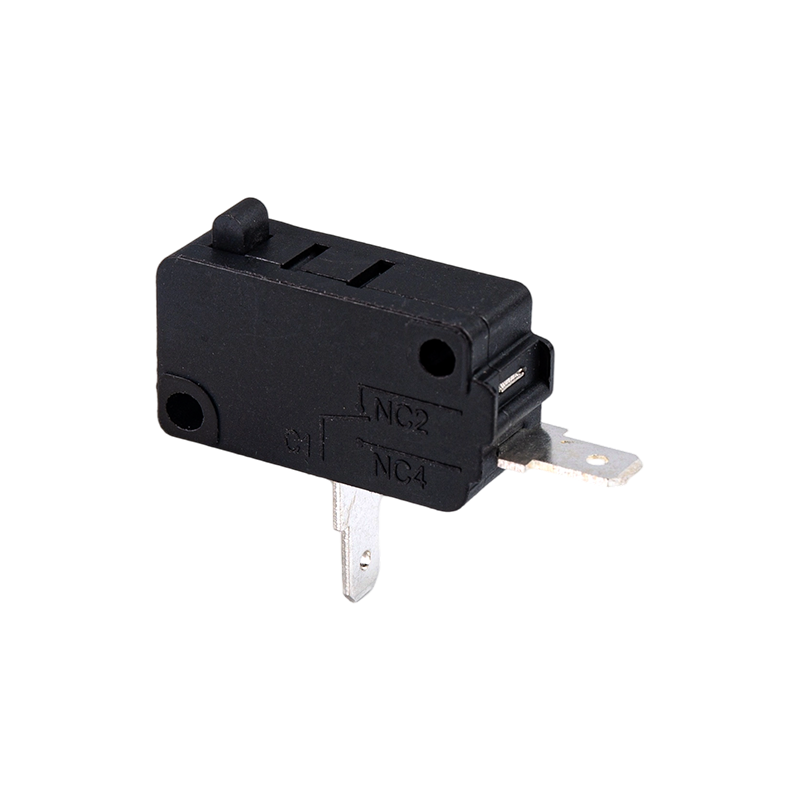
How to Choose the Right Micro Switch for Your Project
Picking a micro switch isn't complicated once you know what questions to ask yourself. Getting it right the first time saves you from returns, rewiring, or premature failure down the line.
Think About Electrical Load
Check the voltage and current rating printed on the switch or in its datasheet, and make sure it comfortably covers what your circuit will draw. Running a switch near or above its rated load shortens its lifespan and can cause the contacts to arc or weld shut over time.
Match the Actuator to Your Mechanism
If something rotates past the switch, a roller lever usually works best. If you need a straight, direct push, a pin plunger is simpler and more compact. Taking a moment to visualize exactly how the moving part will contact the switch prevents a lot of installation headaches later.
Consider the Environment
Dusty workshops, outdoor equipment, or anywhere near water calls for a sealed or waterproof micro switch. Standard open-frame versions are fine indoors but will corrode or jam quickly in harsh conditions.
Check the Mounting Size
Micro switches come in fairly standardized body sizes, but lever length, mounting hole spacing, and terminal style can vary between brands. Always compare the physical dimensions against your available space before ordering in bulk.
Simple Tips for Installing and Wiring Micro Switches
Installing a micro switch is usually straightforward, but a few small habits make a big difference in how long the switch lasts and how reliably it performs.
- Mount the switch so the actuator is pressed smoothly, not at an awkward angle
- Avoid over-travel by leaving a small buffer past the activation point
- Use the correct terminal: common (C), normally open (NO), or normally closed (NC)
- Secure wiring with strain relief so vibration doesn't loosen connections
- Test the switch under real operating conditions before final assembly
Troubleshooting a Micro Switch That Isn't Working
When a device with a micro switch stops responding correctly, the switch itself is often the first thing worth checking, since it's a common wear point in mechanical systems. Start by listening for the audible "click" when the actuator is pressed; no click usually means the internal spring mechanism has failed. Next, use a multimeter to test continuity across the terminals in both the pressed and released states. If continuity doesn't change, the switch has likely failed internally and needs replacing rather than repairing, since micro switches are sealed units that aren't meant to be opened.
Also inspect the actuator for physical damage or misalignment. Sometimes the switch itself is fine, but the lever has bent or the mounting has shifted, so it's no longer being pressed fully. A quick realignment can solve the issue without replacing any parts at all.
Final Thoughts on Choosing Micro Switches
Micro switches might be small, but they play a big role in making sure machines, appliances, and safety systems respond exactly when they should. Understanding how the snap-action mechanism works, knowing the common actuator types, and matching the switch's rating and environment to your specific project will save you time, money, and frustration. Whether you're repairing a household appliance or designing a new piece of equipment, picking the right micro switch really comes down to a few practical checks rather than guesswork.
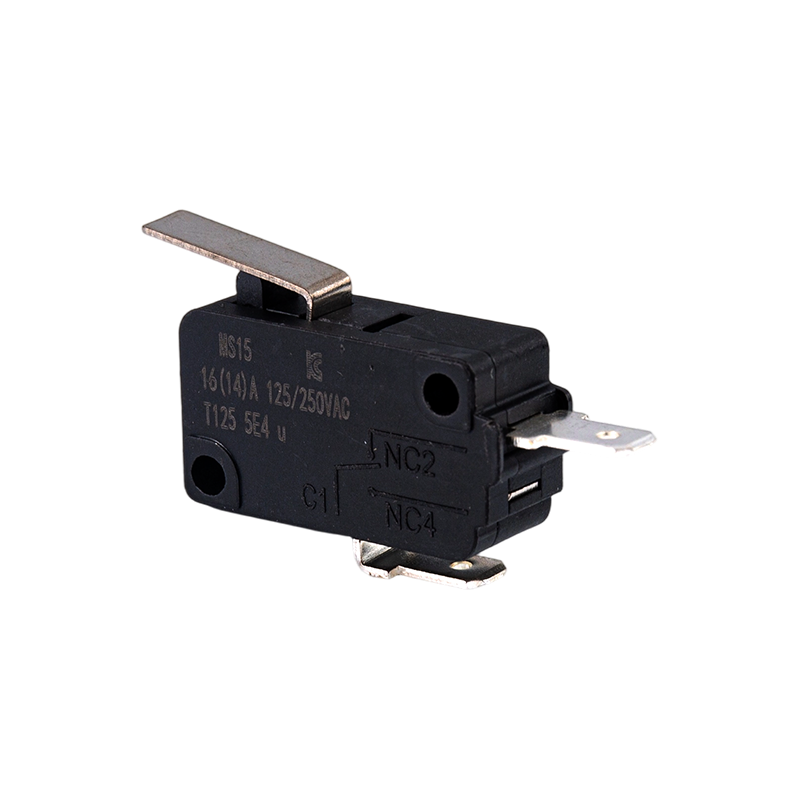

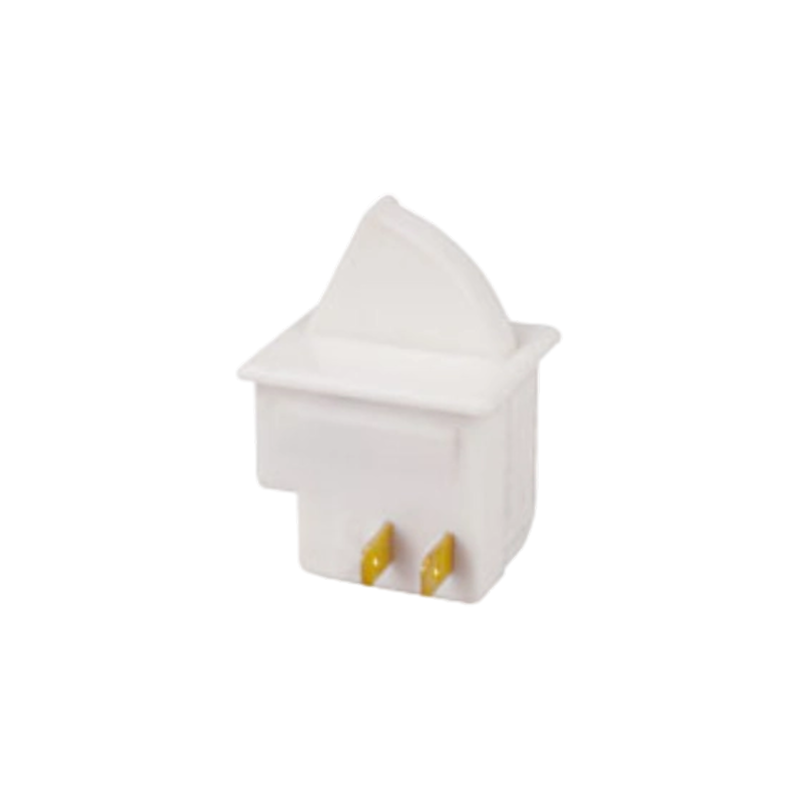
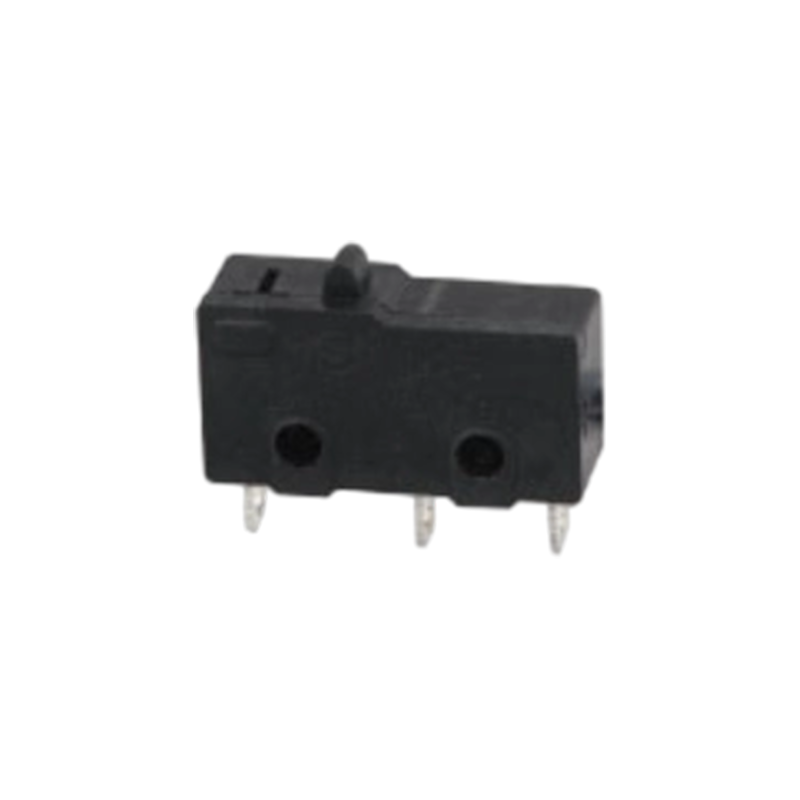

A Appliance Switches Manufacturer that has been focusing on the development, production and sales of Switches for 21 years;
Products Links
Contact Information
Tel: +86-021-33752188
Phone: +86-13524812989
E-Mail: [email protected]
[email protected]
[email protected]Address: No. 580 Shenzhou Road, Fengxian District, Shanghai, China

