


 English
  русский
  Español
  Deutsch
  عربى
عربى -
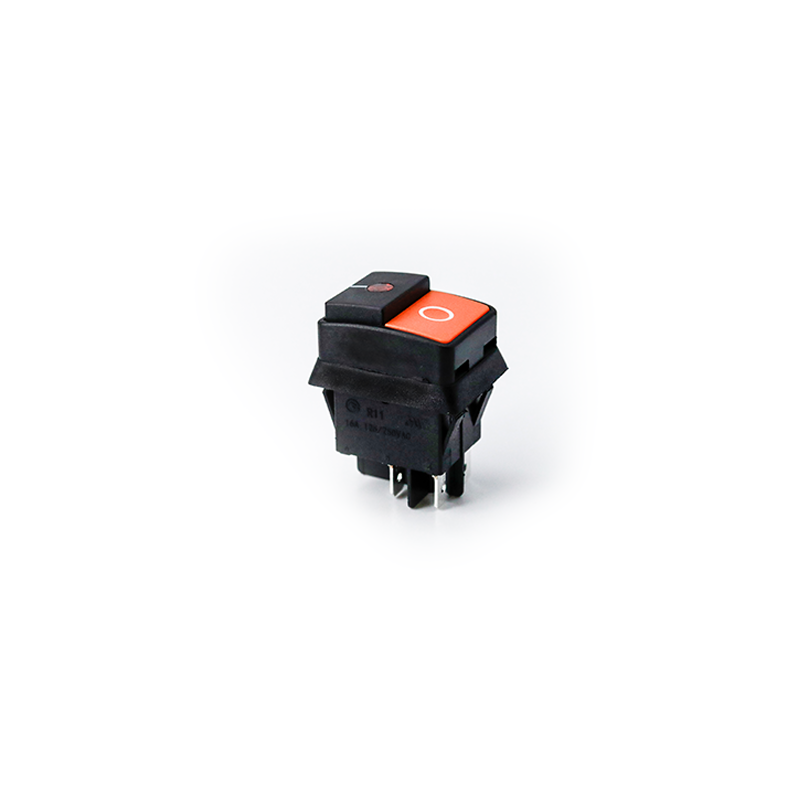
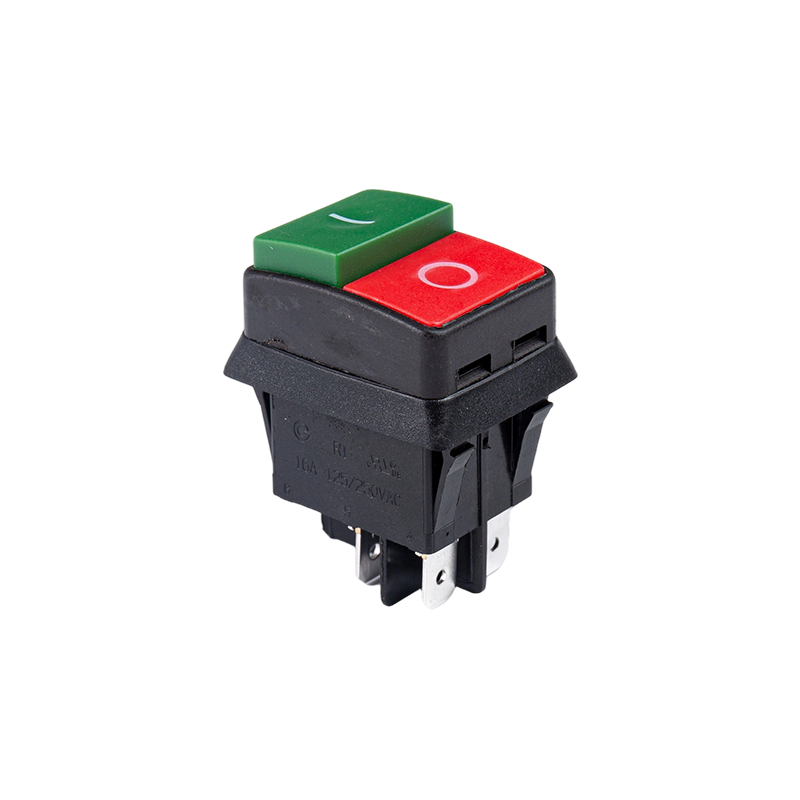
A Rocker Switch is a compact and easy-to-operate manual control component. Its unique rocker-style actuation, combined with a toggle or momentary reset function, allows users to quickly switch circuit...View More >>
-
A micro switch is a small mechanical switch with a fast action mechanism, which is widely used in household appliances, industrial automation, automotive electronics, medical equipment, and other fiel...View More >>
-
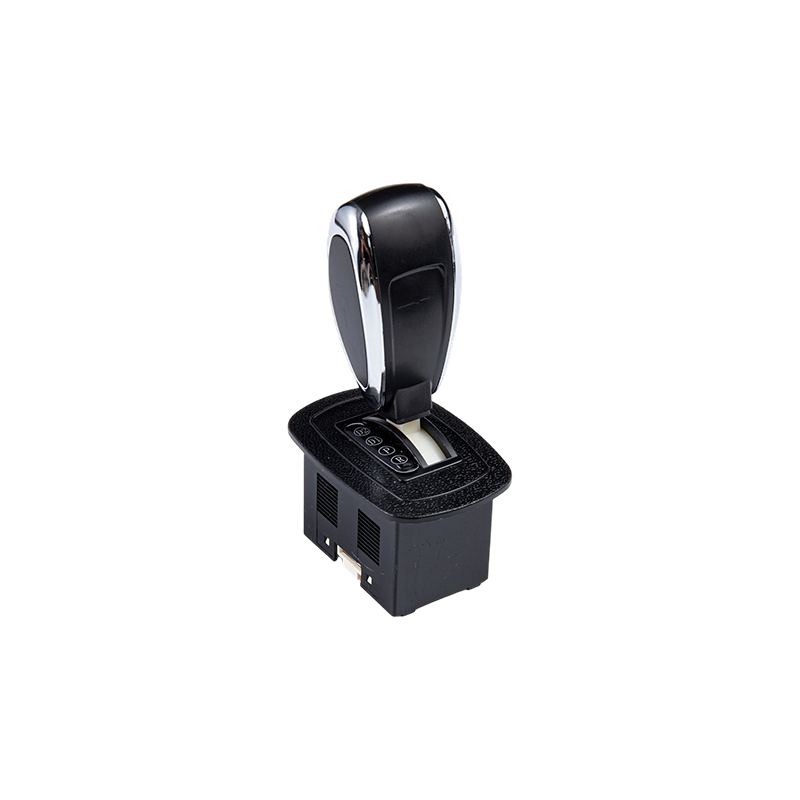
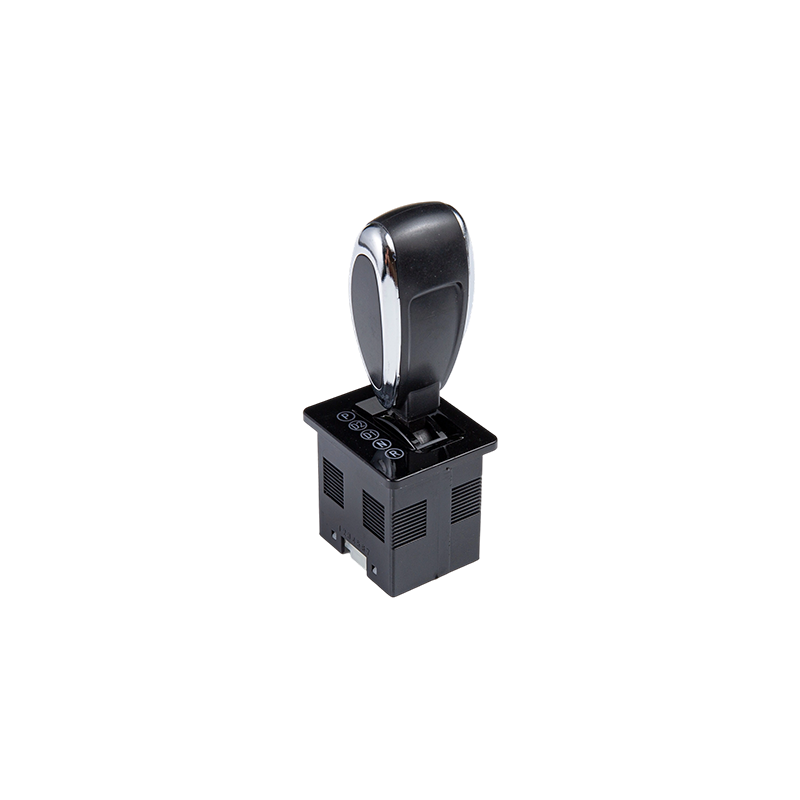
The baby stroller gear switch is an innovative product independently developed by our company. We have applied for invention patents both domestically and internationally, which fully demonstrates the...View More >>
-
Push button switches are widely used in various control systems with their diverse structural designs, high-strength material selection, and excellent performance. The products are available in a vari...View More >>
-
The internal structure of the piano key switch mostly adopts a mechanical or light-touch design. Some high-end models use capacitive sensing technology to achieve contactless operation, thereby improv...View More >>
-
The knob switch adopts a high-sensitivity rotary contact structure, which has smooth operation and clear positioning, ensuring that every adjustment is accurate. The product has excellent durability a...View More >>
-
The KM trigger switch is a universal high-current switch designed for high-power power tools, with excellent current carrying capacity and stable performance. The internal fast-action structure ensure...View More >>
-
A door control switch, also known as a door magnetic switch or door status sensor, is a key electrical component widely used in industrial control, security systems, intelligent building automation, a...View More >>
-
The wiring harness is an overall wiring assembly that integrates multiple wires, cables, terminals, and connectors according to specific electrical design and mechanical structure requirements. It is ...View More >>
-
PCB control board is one of the indispensable core components in modern electronic devices. As the brain of the control system, it is widely used in many fields such as industrial automation, consumer...View More >>
NEWS

What Are Rocker Switches and How Do You Pick the Right One?
 2026.08.05
 Industry News
Content
- 1 What Are Rocker Switches and How Do They Work?
- 2 Common Types of Rocker Switches
- 3 Rocker Switches vs. Toggle Switches
- 4 Key Specifications to Check Before Buying Rocker Switches
- 5 Where Rocker Switches Are Commonly Used
- 6 Installing Rocker Switches Safely
- 7 Troubleshooting Common Rocker Switch Problems
What Are Rocker Switches and How Do They Work?
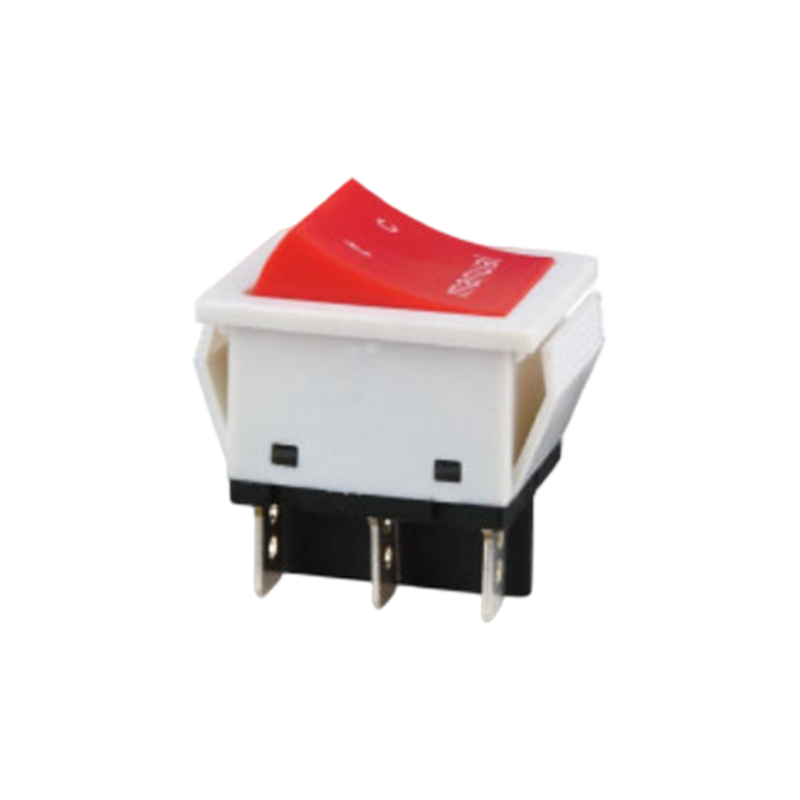
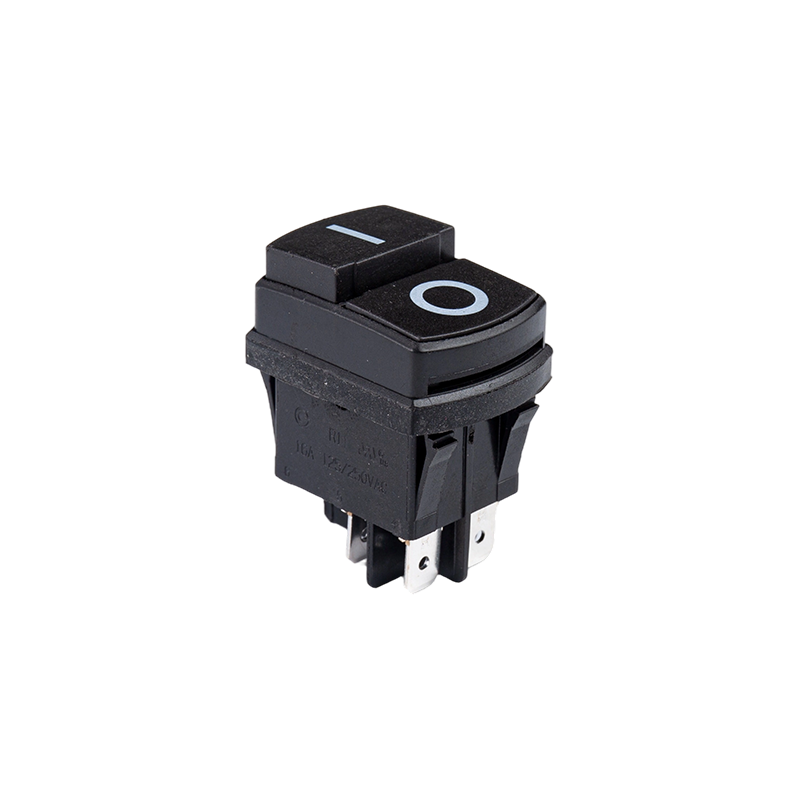
Rocker switches are electrical switches that pivot back and forth on a central axis, resembling a small seesaw, to open or close an electrical circuit. Pressing one side of the switch tips it downward, completing or breaking the circuit depending on the switch's design, while the opposite side rises to indicate the current position. This simple mechanical action makes rocker switches intuitive to use, since the visual position of the switch clearly shows whether it's in the on or off state without needing additional labeling.
Because of their durability, ease of use, and clear visual feedback, rocker switches are found in countless applications, from household appliances and power tools to automotive dashboards and industrial control panels. Their flat, low-profile design also makes them easy to integrate into control panels where space and a clean aesthetic matter.
Common Types of Rocker Switches
Not all rocker switches are built the same way. Understanding the different types helps buyers select the right switch for their specific circuit and application needs.
- Single pole single throw (SPST): The most basic type, controlling a single circuit with a simple on-off function.
- Double pole single throw (DPST): Controls two separate circuits simultaneously with a single switching action.
- Single pole double throw (SPDT): Allows switching between two different circuits from a single input, useful for selecting between two power sources or functions.
- Illuminated rocker switches: Include an internal LED or neon light that indicates the switch's on or off status, often used in low-light environments like vehicle dashboards.
- Momentary rocker switches: Only complete the circuit while actively pressed, returning to the off position once released.
Rocker Switches vs. Toggle Switches
When choosing between switch styles, many buyers compare rocker switches to toggle switches since both serve similar basic functions. The table below highlights the key differences.
| Feature | Rocker Switches | Toggle Switches |
| Visual state indication | Clear, flat position shows on/off status | Lever angle indicates status |
| Panel profile | Low profile, flush mounting | Protruding lever design |
| Accidental activation risk | Lower, flatter surface reduces snagging | Higher, lever can catch on objects |
| Common applications | Appliances, automotive panels, marine equipment | Industrial equipment, electronics testing gear |
Key Specifications to Check Before Buying Rocker Switches
Selecting the right rocker switches for a project requires attention to several technical specifications that affect performance and safety.
Voltage and Current Ratings
Every rocker switch is rated for a maximum voltage and current it can safely handle, and exceeding these ratings can cause overheating, arcing, or premature switch failure.
Mounting Style and Panel Cutout Size
Confirm the required panel cutout dimensions and mounting method, whether snap-in, screw-mounted, or panel-mounted, to ensure the switch fits properly into your enclosure or control panel.
Environmental Sealing Rating
For outdoor, marine, or industrial applications, look for rocker switches with an appropriate IP rating to protect against dust, moisture, and washdown exposure.
Where Rocker Switches Are Commonly Used
The versatility of rocker switches makes them a practical choice across a wide range of consumer, automotive, and industrial applications.
- Automotive and marine dashboards: Control lighting, accessories, and power functions with clear illuminated indicators.
- Household appliances: Found in devices like power strips, kitchen appliances, and space heaters for simple on-off control.
- Power tools: Provide durable, easy-to-operate control for drills, saws, and other handheld equipment.
- Industrial control panels: Offer reliable switching for machinery start-stop functions and mode selection.
- RV and off-road vehicle accessories: Control auxiliary lighting, winches, and other add-on electrical systems.
Installing Rocker Switches Safely
Proper installation ensures rocker switches function reliably and safely within their intended electrical system.
Confirm Wiring Configuration
Identify the correct terminals for power input, output, and ground before wiring, since incorrect connections can cause the switch to malfunction or create a safety hazard.
Secure the Panel Mount
Ensure the switch fits snugly into its panel cutout and is secured according to the manufacturer's mounting instructions to prevent movement or loosening over time.
Test Before Final Assembly
Test the switch's function with a multimeter or low-voltage test setup before completing final panel assembly to confirm proper operation and avoid rework later.
Troubleshooting Common Rocker Switch Problems
Even durable rocker switches can develop issues over time, and knowing how to identify common problems helps with quick, effective troubleshooting.
- Switch feels loose or doesn't click firmly: Often indicates worn internal contacts or a failing spring mechanism.
- No power despite switch being in the on position: Check for loose wiring connections or a blown internal fuse if the switch includes one.
- Illuminated switch light not working: May indicate a burned-out LED or bulb, which sometimes can be replaced separately from the switch body.
- Switch feels hot during use: Could signal that the switch is being used beyond its rated voltage or current capacity, requiring immediate replacement.
Addressing these issues promptly not only extends the life of your rocker switches but also helps maintain safe, reliable operation across whatever system they're controlling.


A Appliance Switches Manufacturer that has been focusing on the development, production and sales of Switches for 21 years;
Products Links
Contact Information
Tel: +86-021-33752188
Phone: +86-13524812989
E-Mail: [email protected]
[email protected]
[email protected]Address: No. 580 Shenzhou Road, Fengxian District, Shanghai, China

