


 English
  русский
  Español
  Deutsch
  عربى
عربى -
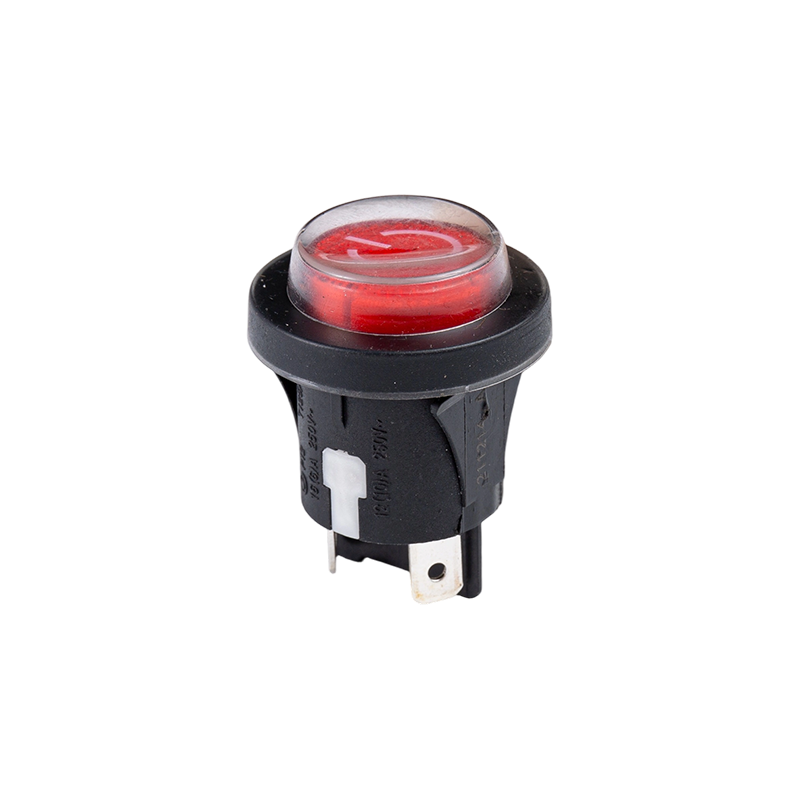
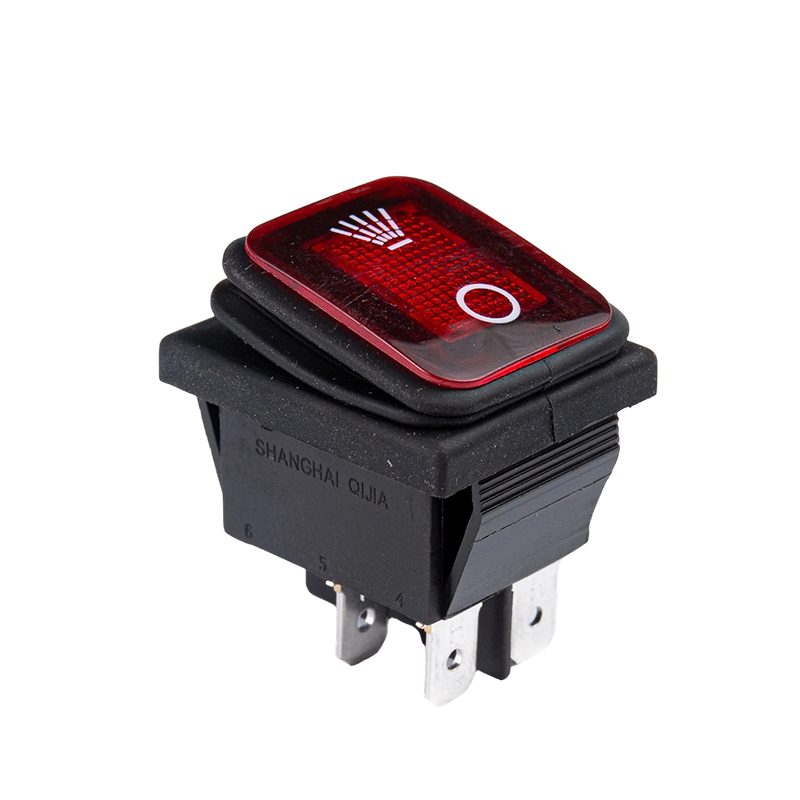
A Rocker Switch is a compact and easy-to-operate manual control component. Its unique rocker-style actuation, combined with a toggle or momentary reset function, allows users to quickly switch circuit...View More >>
-
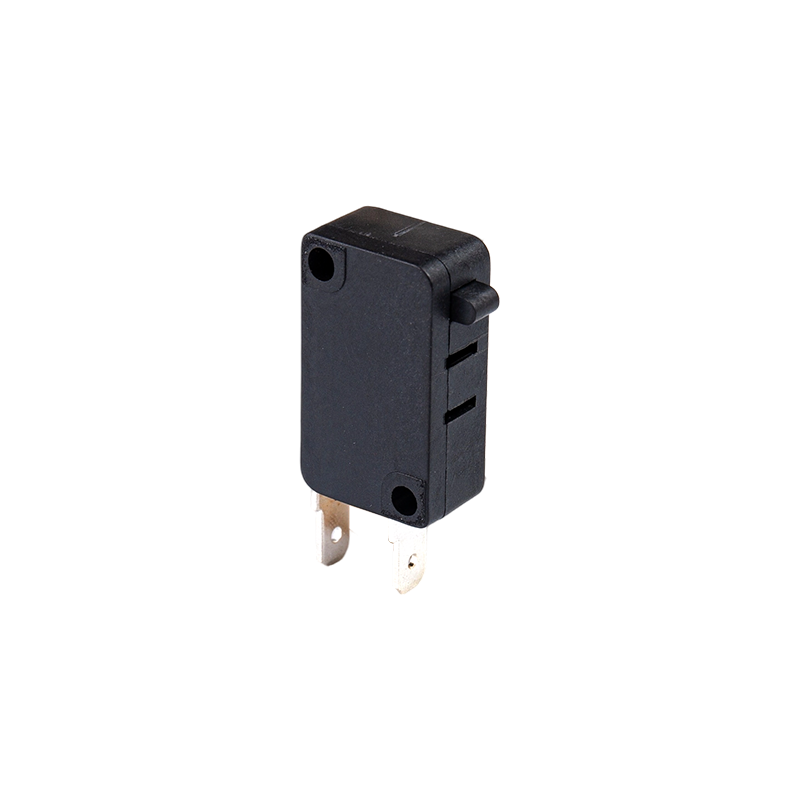
A micro switch is a small mechanical switch with a fast action mechanism, which is widely used in household appliances, industrial automation, automotive electronics, medical equipment, and other fiel...View More >>
-
The baby stroller gear switch is an innovative product independently developed by our company. We have applied for invention patents both domestically and internationally, which fully demonstrates the...View More >>
-
Push button switches are widely used in various control systems with their diverse structural designs, high-strength material selection, and excellent performance. The products are available in a vari...View More >>
-
The internal structure of the piano key switch mostly adopts a mechanical or light-touch design. Some high-end models use capacitive sensing technology to achieve contactless operation, thereby improv...View More >>
-
The knob switch adopts a high-sensitivity rotary contact structure, which has smooth operation and clear positioning, ensuring that every adjustment is accurate. The product has excellent durability a...View More >>
-
The KM trigger switch is a universal high-current switch designed for high-power power tools, with excellent current carrying capacity and stable performance. The internal fast-action structure ensure...View More >>
-
A door control switch, also known as a door magnetic switch or door status sensor, is a key electrical component widely used in industrial control, security systems, intelligent building automation, a...View More >>
-
The wiring harness is an overall wiring assembly that integrates multiple wires, cables, terminals, and connectors according to specific electrical design and mechanical structure requirements. It is ...View More >>
-
PCB control board is one of the indispensable core components in modern electronic devices. As the brain of the control system, it is widely used in many fields such as industrial automation, consumer...View More >>
NEWS
 Home / News / Industry News / Precision at the Click: Why Micro Switches are the Unsung Heroes of Modern Engineering
Precision at the Click: Why Micro Switches are the Unsung Heroes of Modern Engineering
 2026.01.13
 Industry News
Content
Understanding the Mechanism of High-Precision Micro Switches
A micro switch, technically known as a miniature snap-action switch, operates on a "over-center" mechanism. This design ensures that the internal contacts move rapidly from one position to another once a specific physical pressure threshold is met. Unlike standard switches where the speed of the contact movement depends on the speed of the operator, a micro switch uses a spring-loaded internal lever to produce a consistent, high-speed transition. This reliability is why they are essential in safety-critical applications where a definitive "on" or "off" state must be registered instantly.
The Role of the Actuator and Operating Point
The actuator is the external component that receives the physical force. Depending on the application, this can be a simple button, a long lever, or a roller arm. The "operating point" is the exact position where the internal snap-action occurs. Precision engineering ensures that this point remains consistent over millions of cycles, allowing for sub-millimeter accuracy in machinery and industrial automation processes.
Technical Specifications and Selection Criteria
Selecting the right micro switch requires a deep understanding of the electrical and mechanical environment it will inhabit. Engineers must balance the required operating force with the electrical load capacity to prevent premature contact wear or arcing. The following table highlights the primary parameters used to categorize micro switches for industrial use:
| Parameter | Description |
| Operating Force (OF) | The amount of force required to trigger the switch. |
| Release Force (RF) | The force at which the switch resets to its original state. |
| Differential Travel | The distance between the operating and releasing positions. |
| Mechanical Life | The total number of cycles the switch can perform (often 10M+). |
Common Industrial and Domestic Applications
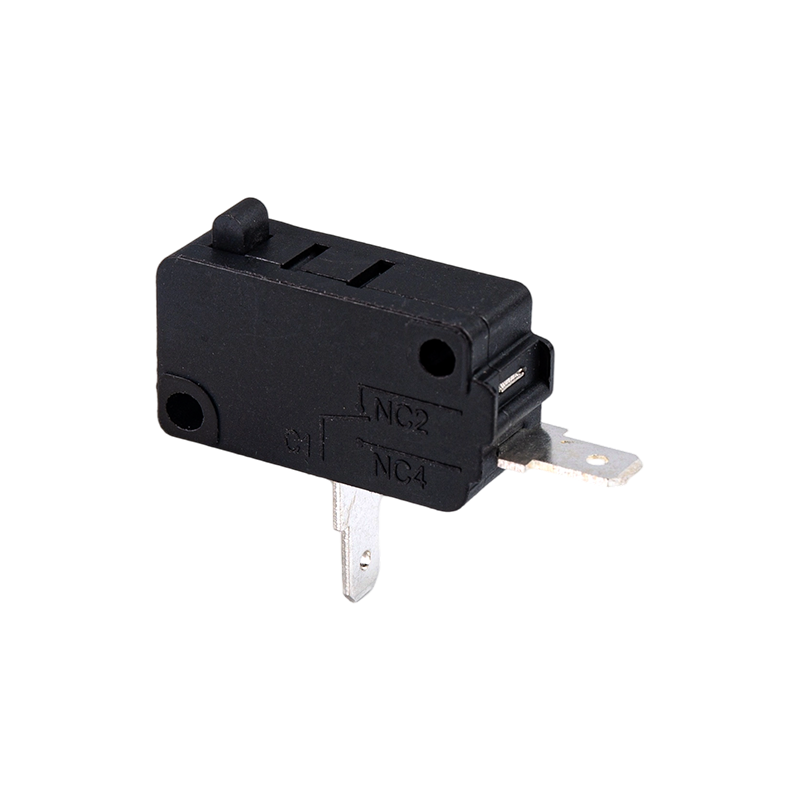
Micro switches are ubiquitous because they can handle both low-current signal switching and high-current power control. Their compact size makes them ideal for tight spaces where reliable feedback is needed. In most cases, they serve as sensors to detect the presence or absence of a component, or as a limit switch to prevent mechanical over-travel.
Safety and Interlocking Systems
- Microwave oven door interlocks that prevent operation while the door is open.
- Elevator floor leveling sensors and door safety edge detection.
- Emergency stop buttons in industrial manufacturing lines.
- Vending machine product delivery verification and coin detection.
Environmental Considerations for Durability
The environment in which a micro switch operates significantly impacts its lifespan. For applications involving moisture, dust, or volatile chemicals, sealed micro switches (often rated IP67) are used to protect the internal contacts from corrosion and contamination. In high-temperature environments, such as commercial ovens or automotive engines, specialized thermoplastic or ceramic housings are utilized to maintain structural integrity and electrical insulation. Choosing the correct casing material ensures that the switch does not fail due to environmental fatigue before its mechanical life is reached.
Contact Material and Arcing Prevention
For low-power logic circuits, gold-plated contacts are preferred because they resist oxidation and ensure a clean signal. Conversely, for high-power AC or DC loads, silver alloy contacts are used for their superior conductivity and ability to withstand the heat generated by electrical arcing during the snap-action transition. Understanding these nuances prevents carbon buildup on the contacts, which is the leading cause of intermittent switch failure.



A Appliance Switches Manufacturer that has been focusing on the development, production and sales of Switches for 21 years;
Products Links
Contact Information
Tel: +86-021-33752188
Phone: +86-13524812989
E-Mail: [email protected]
[email protected]
[email protected]Address: No. 580 Shenzhou Road, Fengxian District, Shanghai, China

