


 English
  русский
  Español
  Deutsch
  عربى
عربى -
A Rocker Switch is a compact and easy-to-operate manual control component. Its unique rocker-style actuation, combined with a toggle or momentary reset function, allows users to quickly switch circuit...View More >>
-
A micro switch is a small mechanical switch with a fast action mechanism, which is widely used in household appliances, industrial automation, automotive electronics, medical equipment, and other fiel...View More >>
-
The baby stroller gear switch is an innovative product independently developed by our company. We have applied for invention patents both domestically and internationally, which fully demonstrates the...View More >>
-
Push button switches are widely used in various control systems with their diverse structural designs, high-strength material selection, and excellent performance. The products are available in a vari...View More >>
-
The internal structure of the piano key switch mostly adopts a mechanical or light-touch design. Some high-end models use capacitive sensing technology to achieve contactless operation, thereby improv...View More >>
-
The knob switch adopts a high-sensitivity rotary contact structure, which has smooth operation and clear positioning, ensuring that every adjustment is accurate. The product has excellent durability a...View More >>
-
The KM trigger switch is a universal high-current switch designed for high-power power tools, with excellent current carrying capacity and stable performance. The internal fast-action structure ensure...View More >>
-
A door control switch, also known as a door magnetic switch or door status sensor, is a key electrical component widely used in industrial control, security systems, intelligent building automation, a...View More >>
-
The wiring harness is an overall wiring assembly that integrates multiple wires, cables, terminals, and connectors according to specific electrical design and mechanical structure requirements. It is ...View More >>
-
PCB control board is one of the indispensable core components in modern electronic devices. As the brain of the control system, it is widely used in many fields such as industrial automation, consumer...View More >>
NEWS

Trigger Switches: Everything You Need to Know
 2026.02.11
 Industry News
Content
What Are Trigger Switches?
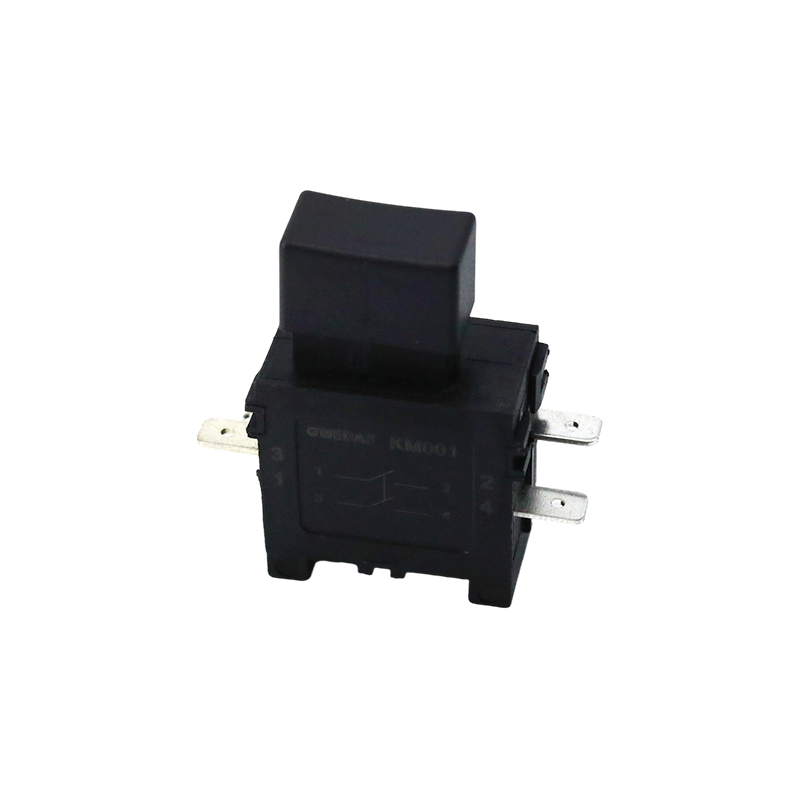
Trigger switches are specialized electrical switches designed to activate a device or circuit when pressure is applied, typically by squeezing or pressing a lever. They are commonly found in tools, appliances, and gaming controllers, where precise control is required. Unlike standard on/off switches, trigger switches allow for variable operation and quick response.
Different Types of Trigger Switches
Trigger switches come in a variety of types, each suited to specific applications. Understanding these types helps you choose the right switch for your device.
Mechanical Trigger Switches
Mechanical trigger switches operate through physical movement, typically using springs and contacts. They are durable, reliable, and ideal for power tools or devices requiring consistent tactile feedback.
Electronic Trigger Switches
Electronic trigger switches use sensors to detect activation. They are often found in modern devices, such as gaming controllers, electronic toys, and medical equipment, offering smooth operation and customizable sensitivity.
Momentary vs. Latching Trigger Switches
Momentary trigger switches only remain active while being pressed. Latching switches, on the other hand, maintain their state until pressed again. Choosing between these depends on whether you need temporary or continuous operation.
Applications of Trigger Switches
Trigger switches are versatile and widely used across industries. Their design allows for ergonomic use and precise control, making them ideal for both consumer and industrial products.
- Power Tools – drills, saws, and grinders often feature trigger switches for speed control.
- Gaming Controllers – provide responsive feedback for gaming actions.
- Medical Devices – used in diagnostic tools and surgical instruments for precise control.
- Industrial Machinery – allow operators to safely and efficiently manage equipment.
- Consumer Electronics – hairdryers, vacuum cleaners, and other devices use trigger switches for ease of use.
Key Features to Look For
When selecting a trigger switch, certain characteristics ensure optimal performance and longevity.
| Feature | Importance | Notes |
| Durability | High | Look for switches rated for many cycles |
| Sensitivity | Medium to High | Important for applications like gaming or precision tools |
| Ergonomics | High | Comfortable design reduces fatigue in prolonged use |
| Voltage & Current Rating | Critical | Ensure compatibility with your device's electrical specifications |
Maintenance and Troubleshooting
Proper maintenance extends the life of trigger switches and prevents failures. Common practices include cleaning, lubrication for mechanical types, and checking for loose connections or worn contacts. For electronic trigger switches, ensure no moisture or dust interferes with the sensors.
- Regularly inspect the trigger switch for signs of wear or damage.
- Use compressed air to remove dust from mechanical switches.
- Check electrical connections for corrosion or looseness.
- Replace faulty switches promptly to avoid device malfunctions.
Choosing the Right Trigger Switch
Selecting the right trigger switch depends on your device's needs, the desired responsiveness, and the operating environment. Consider the type of switch, electrical ratings, ergonomics, and expected usage cycles. Matching these factors ensures reliable and safe operation.
With the right knowledge, you can confidently select, maintain, and troubleshoot trigger switches, ensuring devices perform smoothly and efficiently.



A Appliance Switches Manufacturer that has been focusing on the development, production and sales of Switches for 21 years;
Products Links
Contact Information
Tel: +86-021-33752188
Phone: +86-13524812989
E-Mail: [email protected]
[email protected]
[email protected]Address: No. 580 Shenzhou Road, Fengxian District, Shanghai, China

