


 English
  русский
  Español
  Deutsch
  عربى
عربى -
A Rocker Switch is a compact and easy-to-operate manual control component. Its unique rocker-style actuation, combined with a toggle or momentary reset function, allows users to quickly switch circuit...View More >>
-
A micro switch is a small mechanical switch with a fast action mechanism, which is widely used in household appliances, industrial automation, automotive electronics, medical equipment, and other fiel...View More >>
-
The baby stroller gear switch is an innovative product independently developed by our company. We have applied for invention patents both domestically and internationally, which fully demonstrates the...View More >>
-
Push button switches are widely used in various control systems with their diverse structural designs, high-strength material selection, and excellent performance. The products are available in a vari...View More >>
-
The internal structure of the piano key switch mostly adopts a mechanical or light-touch design. Some high-end models use capacitive sensing technology to achieve contactless operation, thereby improv...View More >>
-
The knob switch adopts a high-sensitivity rotary contact structure, which has smooth operation and clear positioning, ensuring that every adjustment is accurate. The product has excellent durability a...View More >>
-
The KM trigger switch is a universal high-current switch designed for high-power power tools, with excellent current carrying capacity and stable performance. The internal fast-action structure ensure...View More >>
-
A door control switch, also known as a door magnetic switch or door status sensor, is a key electrical component widely used in industrial control, security systems, intelligent building automation, a...View More >>
-
The wiring harness is an overall wiring assembly that integrates multiple wires, cables, terminals, and connectors according to specific electrical design and mechanical structure requirements. It is ...View More >>
-
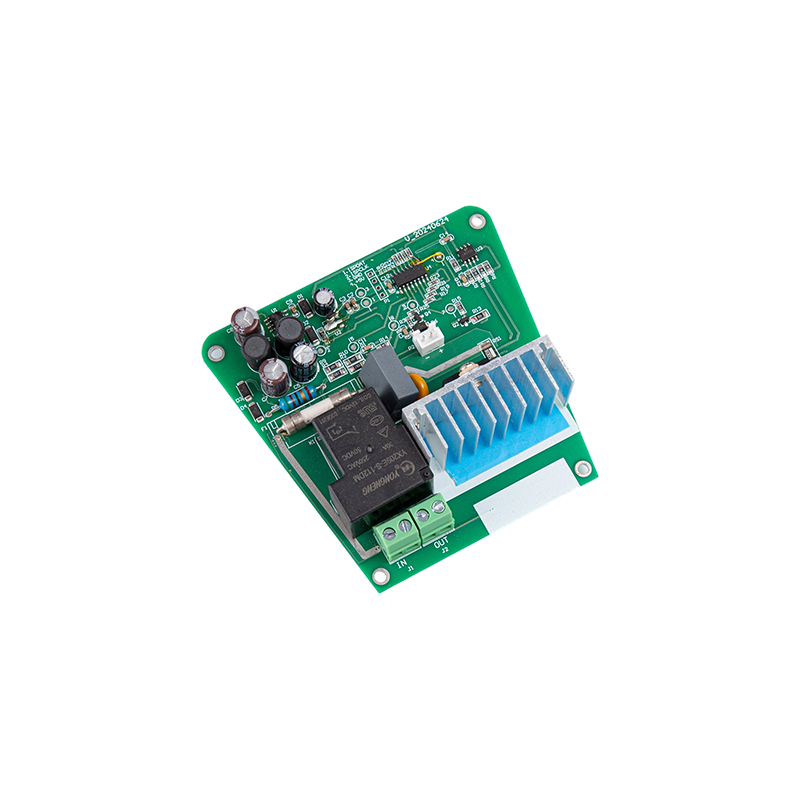
PCB control board is one of the indispensable core components in modern electronic devices. As the brain of the control system, it is widely used in many fields such as industrial automation, consumer...View More >>
NEWS
 Home / News / Industry News / Door Control Switches Explained: Types, Selection Tips, and Installation Best Practices
Door Control Switches Explained: Types, Selection Tips, and Installation Best Practices
 2026.07.16
 Industry News
Content
- 1 What Door Control Switches Do and Where They're Used
- 2 Common Types of Door Control Switches
- 3 Matching Switch Type to Door Application
- 4 Key Factors to Consider Before Choosing a Switch
- 5 Installation Tips for Reliable Long-Term Performance
- 6 Troubleshooting Common Door Control Switch Problems
- 7 Final Thoughts on Choosing and Maintaining Door Control Switches
What Door Control Switches Do and Where They're Used
Door control switches are the components responsible for triggering, stopping, or regulating the movement of a door, whether that door is manual, automatic, sliding, or part of an industrial access system. These switches convert a physical action, like pressing a button or triggering a sensor, into an electrical signal that tells the door's motor or actuator what to do. They show up in far more places than people realize, from the automatic doors at grocery stores and hospitals to garage doors, elevator doors, security gates, and industrial roll-up doors on warehouse loading docks.
The reliability of a door control switch has a direct impact on both convenience and safety. A switch that sticks, delays, or fails to register a signal can cause anything from a minor inconvenience to a serious safety hazard, particularly on doors involved in emergency egress or industrial machinery access. This is why selecting, installing, and maintaining the right switch matters just as much as the door mechanism itself.
Common Types of Door Control Switches
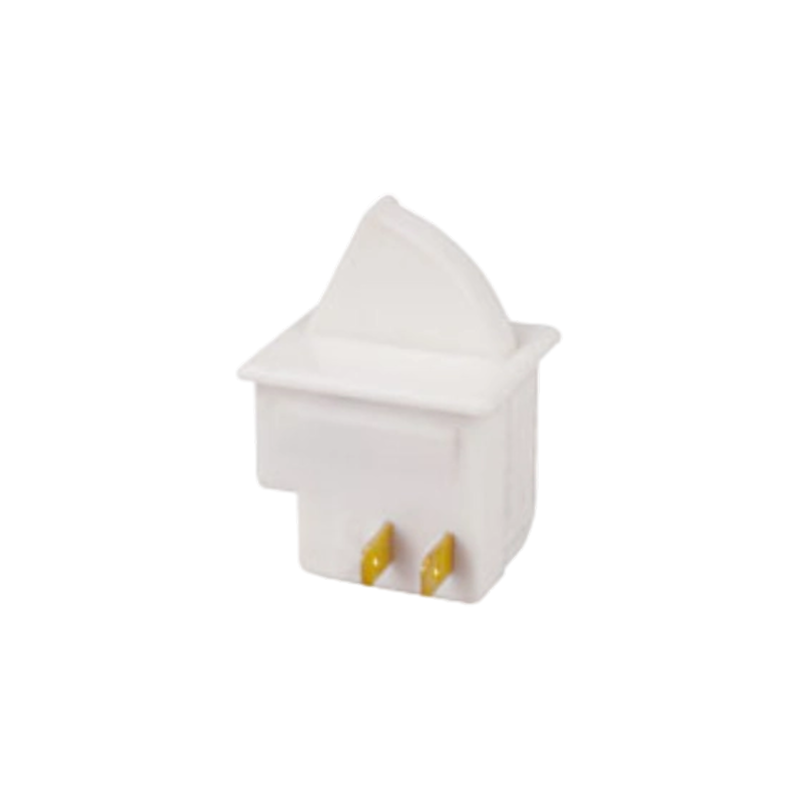
Door control switches come in several distinct styles, each suited to different door types and usage scenarios. Understanding the differences helps when specifying replacement parts or planning a new installation.
- Push button switches: simple momentary switches commonly used for automatic doors in commercial buildings, activated by a direct press
- Toggle switches: manually flipped switches often used in industrial settings to open, close, or hold a door in position
- Key switches: require a physical key to activate, adding a layer of access control for restricted areas
- Limit switches: detect when a door has reached its fully open or fully closed position, signaling the motor to stop
- Interlock switches: prevent a door from opening under certain conditions, commonly used on industrial equipment for safety compliance
- Proximity and sensor-based switches: trigger door movement based on motion detection rather than direct physical contact
Matching Switch Type to Door Application
Choosing the right switch depends heavily on the type of door being controlled and the environment it operates in. The table below outlines common pairings between door types and the switches best suited to them.
| Door Type | Recommended Switch | Reason |
| Commercial Automatic Entry Doors | Push button or proximity switch | Easy accessibility for high foot traffic |
| Industrial Roll-Up Doors | Toggle switch with limit switch integration | Manual control with automatic stop protection |
| Restricted Access Doors | Key switch | Adds a layer of physical access control |
| Machinery Access Panels | Interlock switch | Prevents access while equipment is running |
| Elevator Doors | Limit switch with sensor backup | Precise positioning and safety redundancy |
Key Factors to Consider Before Choosing a Switch
Electrical Load and Voltage Compatibility
Every door control switch has a rated voltage and current capacity, and using one that's undersized for the connected motor or control system can lead to overheating or premature failure. Checking the door operator's specifications before selecting a switch prevents mismatched components from causing reliability issues down the line.
Environmental Exposure
Switches installed outdoors or in washdown environments, such as food processing facilities, need appropriate enclosure ratings to keep moisture and dust from causing internal corrosion or short circuits. Indoor switches in climate-controlled spaces have far more flexibility in housing material and sealing requirements.
Safety and Compliance Requirements
Doors tied to safety systems, such as machine guarding or fire-rated openings, often need switches that meet specific regulatory standards. Confirming that a switch is rated for its intended safety application avoids compliance issues during inspections and reduces liability risk.
Installation Tips for Reliable Long-Term Performance
Proper mounting location matters more than many installers expect. Placing a switch where it's exposed to frequent impact, such as near a loading dock where equipment regularly passes by, increases the chances of physical damage and premature failure. Mounting the switch in a protected location, or adding a guard where necessary, extends its usable life considerably.
Wiring connections should always be checked for secure, corrosion-free contact, since a loose or corroded wire is one of the most common causes of a switch that works intermittently. Using strain relief on cables running to the switch also prevents wear at the connection point from repeated door movement or vibration.
For limit switches specifically, careful adjustment during installation ensures the door stops precisely at its intended open and closed positions. A switch set even slightly out of position can cause a door to stop short, overtravel, or place unnecessary strain on the motor and mechanical components.
Troubleshooting Common Door Control Switch Problems
When a door stops responding correctly, the switch is often one of the first components worth checking, since it's typically easier to test than the motor or control board. A few common issues tend to come up repeatedly across different switch types.
- No response at all: often caused by a blown fuse, tripped breaker, or a completely failed switch that needs replacement
- Intermittent operation: usually linked to loose wiring connections or a switch contact that's beginning to wear out
- Door stops in the wrong position: frequently traced back to a misadjusted or failing limit switch
- Delayed activation: can result from dirty or corroded contacts inside the switch housing
- Switch feels stuck or sluggish: often a sign of dust, debris, or moisture intrusion affecting the internal mechanism
Final Thoughts on Choosing and Maintaining Door Control Switches
Door control switches may be small components, but they carry a lot of responsibility for keeping doors, gates, and access systems working safely and reliably. Matching the switch type to the door's application, paying attention to electrical ratings and environmental conditions, and following through with careful installation all contribute to a system that performs consistently over time. Regular inspection and prompt troubleshooting when problems arise round out a maintenance approach that keeps unexpected door failures to a minimum.



A Appliance Switches Manufacturer that has been focusing on the development, production and sales of Switches for 21 years;
Products Links
Contact Information
Tel: +86-021-33752188
Phone: +86-13524812989
E-Mail: [email protected]
[email protected]
[email protected]Address: No. 580 Shenzhou Road, Fengxian District, Shanghai, China

