


 English
  русский
  Español
  Deutsch
  عربى
عربى -
A Rocker Switch is a compact and easy-to-operate manual control component. Its unique rocker-style actuation, combined with a toggle or momentary reset function, allows users to quickly switch circuit...View More >>
-
A micro switch is a small mechanical switch with a fast action mechanism, which is widely used in household appliances, industrial automation, automotive electronics, medical equipment, and other fiel...View More >>
-
The baby stroller gear switch is an innovative product independently developed by our company. We have applied for invention patents both domestically and internationally, which fully demonstrates the...View More >>
-
Push button switches are widely used in various control systems with their diverse structural designs, high-strength material selection, and excellent performance. The products are available in a vari...View More >>
-
The internal structure of the piano key switch mostly adopts a mechanical or light-touch design. Some high-end models use capacitive sensing technology to achieve contactless operation, thereby improv...View More >>
-
The knob switch adopts a high-sensitivity rotary contact structure, which has smooth operation and clear positioning, ensuring that every adjustment is accurate. The product has excellent durability a...View More >>
-
The KM trigger switch is a universal high-current switch designed for high-power power tools, with excellent current carrying capacity and stable performance. The internal fast-action structure ensure...View More >>
-
A door control switch, also known as a door magnetic switch or door status sensor, is a key electrical component widely used in industrial control, security systems, intelligent building automation, a...View More >>
-
The wiring harness is an overall wiring assembly that integrates multiple wires, cables, terminals, and connectors according to specific electrical design and mechanical structure requirements. It is ...View More >>
-
PCB control board is one of the indispensable core components in modern electronic devices. As the brain of the control system, it is widely used in many fields such as industrial automation, consumer...View More >>
NEWS
 Home / News / Industry News / Baby Stroller Gear Switches: What They Do and How to Tell a Good One From a Bad One
Baby Stroller Gear Switches: What They Do and How to Tell a Good One From a Bad One
 2026.06.22
 Industry News
Content
- 1 What Are Baby Stroller Gear Switches and Why They Matter
- 2 Common Types of Gear Switches Found on Strollers
- 3 Key Features That Separate Reliable Switches From Poor Ones
- 4 Safety Standards That Apply to Stroller Switch Mechanisms
- 5 Troubleshooting Common Gear Switch Problems
- 6 Tips for Choosing a Stroller Based on Switch Quality
What Are Baby Stroller Gear Switches and Why They Matter
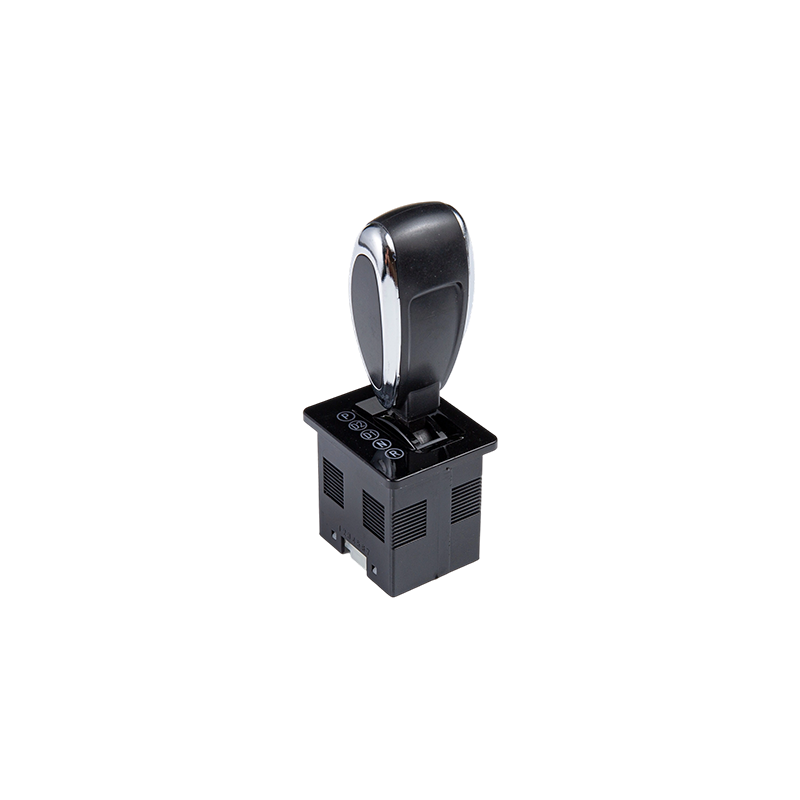
Baby Stroller Gear Switches are the small mechanical components built into a stroller's frame and wheel assemblies that allow parents to change the stroller's function with a simple lever, button, or dial. These switches control things like locking the front wheels for stability, adjusting the recline angle of the seat, switching between forward-facing and parent-facing modes, and engaging the folding mechanism. Even though they're often overlooked compared to bigger features like wheel size or fabric quality, a Baby Stroller Gear Switch directly affects how smoothly and safely the stroller transitions between its different modes.
A poorly made gear switch can stick, slip out of position unexpectedly, or require excessive force to operate, all of which create frustration during everyday use and, in some cases, safety risks if a wheel lock fails to engage properly on uneven terrain.
Common Types of Gear Switches Found on Strollers
Most strollers include more than one type of switch mechanism, each controlling a different functional aspect of the stroller. Understanding what each switch does helps parents and manufacturers alike evaluate stroller quality more accurately.
Front Wheel Swivel Lock Switches
This type of Baby Stroller Gear Switch toggles the front wheels between a free-swiveling mode, useful for tight turns in stores or crowded sidewalks, and a locked-straight mode, which provides better stability for jogging or traveling over rougher terrain like gravel paths or grass. The switch is usually a small lever or dial located near the front wheel axle.
Recline Adjustment Gear Switches
Recline switches allow parents to adjust the seat angle between multiple positions, often ranging from fully upright to nearly flat for napping. These switches typically use a ratchet-style gear mechanism on the side of the seat frame, letting the seat click securely into each preset angle without slipping back unexpectedly.
Fold Release Switches
Fold release switches engage the mechanism that collapses the stroller frame for storage or transport. These switches usually require a deliberate two-step action, such as pressing a button while pulling a lever, specifically designed to prevent the stroller from accidentally folding while a child is seated inside.
Mode Conversion Switches
On convertible strollers that switch between forward-facing, parent-facing, and bassinet modes, a mode conversion gear switch releases the seat unit from its frame attachment points, allowing it to be rotated or swapped out for a different attachment entirely.
Key Features That Separate Reliable Switches From Poor Ones
Not all gear switches are built to the same standard, and a few specific design details tend to separate dependable mechanisms from ones that wear out or fail prematurely.
| Feature | Why It Matters |
| Material Strength | Reinforced plastic or metal gears resist cracking under repeated daily use |
| Locking Confirmation | An audible click or visible indicator confirms the switch has fully engaged |
| Single-Hand Operation | Allows parents to adjust settings while holding a child with the other hand |
| Accidental Activation Prevention | Reduces the risk of folding or unlocking happening unintentionally |
Locking confirmation is one of the most important details to check before purchasing, since a switch that doesn't clearly indicate when it's fully engaged can lead to a wheel lock or recline position that appears set but isn't, creating an unexpected shift during use.
Safety Standards That Apply to Stroller Switch Mechanisms
Because gear switches directly affect how securely a stroller holds its position during use, they're subject to specific safety testing requirements in most regions before a stroller can be sold to consumers.
- Fold mechanisms must require a deliberate, multi-step action to prevent accidental collapse while a child is in the seat
- Wheel locks must hold the stroller in place under specified load and slope testing conditions without slipping
- Recline mechanisms must lock securely at each available angle without unintended movement under normal use
- Switch components must pass durability cycle testing, simulating thousands of engagements to confirm long-term reliability
Parents shopping for a stroller can look for compliance markings such as ASTM F833 in the United States or EN 1888 in Europe, both of which include specific testing requirements related to locking and folding mechanisms.
Troubleshooting Common Gear Switch Problems
Over time, even well-made Baby Stroller Gear Switches can develop issues from regular use, exposure to dirt, or general wear. Knowing how to address common problems can extend the stroller's usable life significantly.
- If a wheel lock switch feels stiff or won't engage smoothly, dirt or debris may be lodged in the mechanism and can often be cleared with a small brush
- If the recline switch slips out of position under the seat's weight, the internal ratchet gear may be worn and could need replacement
- If the fold release feels overly difficult to press, lightly lubricating the hinge points with a silicone-based lubricant can restore smoother operation
- If a switch makes a grinding or cracking sound during use, stop using that function immediately and inspect for visible damage before continuing
Tips for Choosing a Stroller Based on Switch Quality
When comparing strollers in person, it's worth physically testing every gear switch before making a purchase decision, since specifications on paper don't always reflect how a mechanism actually feels in daily use.
- Operate each switch several times in the store to check for smooth engagement and a clear locking sensation
- Test the recline mechanism at every available angle to confirm it holds steady without drifting
- Try folding and unfolding the stroller multiple times to gauge how intuitive and effortless the process feels
- Check whether switches can be operated comfortably with one hand, especially important for parents managing a child at the same time


A Appliance Switches Manufacturer that has been focusing on the development, production and sales of Switches for 21 years;
Products Links
Contact Information
Tel: +86-021-33752188
Phone: +86-13524812989
E-Mail: [email protected]
[email protected]
[email protected]Address: No. 580 Shenzhou Road, Fengxian District, Shanghai, China

