


 English
  русский
  Español
  Deutsch
  عربى
عربى -
A Rocker Switch is a compact and easy-to-operate manual control component. Its unique rocker-style actuation, combined with a toggle or momentary reset function, allows users to quickly switch circuit...View More >>
-
A micro switch is a small mechanical switch with a fast action mechanism, which is widely used in household appliances, industrial automation, automotive electronics, medical equipment, and other fiel...View More >>
-
The baby stroller gear switch is an innovative product independently developed by our company. We have applied for invention patents both domestically and internationally, which fully demonstrates the...View More >>
-
Push button switches are widely used in various control systems with their diverse structural designs, high-strength material selection, and excellent performance. The products are available in a vari...View More >>
-
The internal structure of the piano key switch mostly adopts a mechanical or light-touch design. Some high-end models use capacitive sensing technology to achieve contactless operation, thereby improv...View More >>
-
The knob switch adopts a high-sensitivity rotary contact structure, which has smooth operation and clear positioning, ensuring that every adjustment is accurate. The product has excellent durability a...View More >>
-
The KM trigger switch is a universal high-current switch designed for high-power power tools, with excellent current carrying capacity and stable performance. The internal fast-action structure ensure...View More >>
-
A door control switch, also known as a door magnetic switch or door status sensor, is a key electrical component widely used in industrial control, security systems, intelligent building automation, a...View More >>
-
The wiring harness is an overall wiring assembly that integrates multiple wires, cables, terminals, and connectors according to specific electrical design and mechanical structure requirements. It is ...View More >>
-
PCB control board is one of the indispensable core components in modern electronic devices. As the brain of the control system, it is widely used in many fields such as industrial automation, consumer...View More >>
NEWS

Why the Tiny Micro Switch is the Unsung Hero of Your Gadgets
 2026.03.04
 Industry News
Content
What is a Micro Switch and How Does It Work?
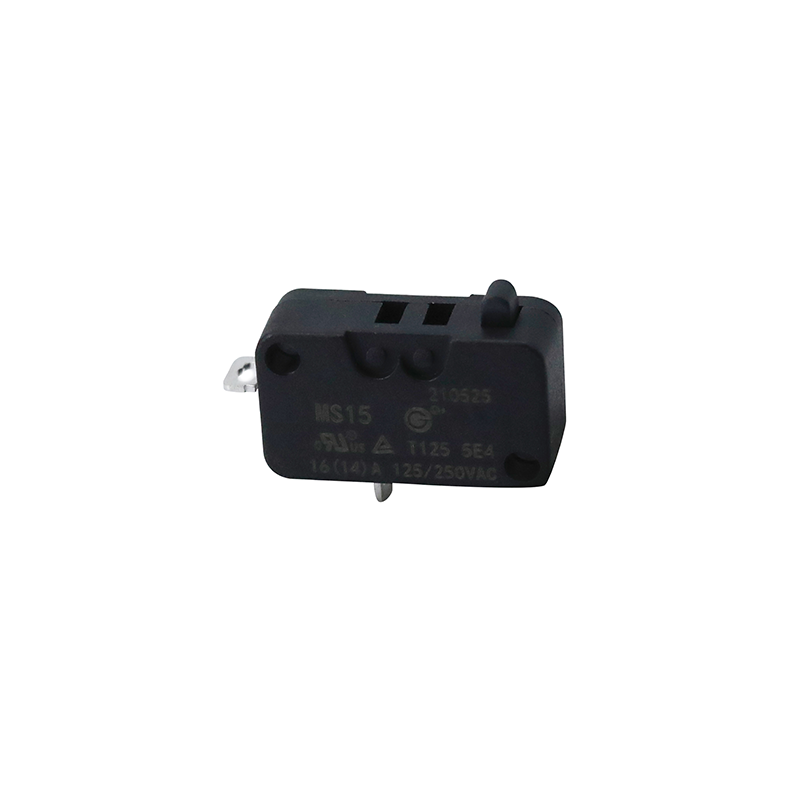
A Micro Switch, technically known as a miniature snap-action switch, is an electric switch that is settled by very little physical force. The defining characteristic of this component is the "snap-action" mechanism. Inside the housing, a spring-loaded lever flips the contacts from one position to another at a very high speed once a specific trip point is reached. This happens regardless of how slowly the external actuator is pressed. This rapid movement ensures that the electrical arc between contacts is minimized, which significantly extends the life of the switch and provides a highly reliable and repeatable signal. Because of their precision, they are frequently used as safety devices, sensors, and limit switches in both consumer electronics and heavy machinery.
The Importance of the Actuator
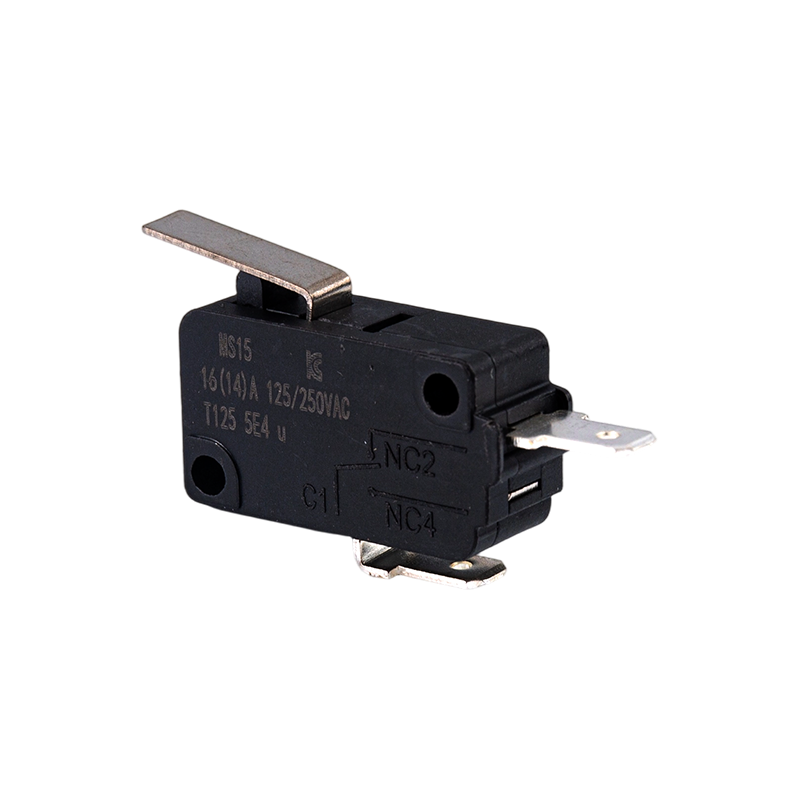
The physical part of the Micro Switch that you interact with is called the actuator. Depending on the application, this can be a simple button (pin plunger), a long lever, or a roller lever. A pin plunger is ideal for short, straight-on movements, while a lever actuator reduces the force needed to trip the switch, making it perfect for detecting the presence of a door or a passing object on a conveyor belt. The roller lever variation is designed to handle lateral movement, allowing a cam or a sliding part to trigger the switch smoothly without causing mechanical binding or excessive wear on the switch housing.
Common Applications in Daily Life and Industry
You likely interact with a Micro Switch dozens of times a day without realizing it. They are the "clicks" inside your computer mouse, the safety sensor that tells your microwave to stop when the door opens, and the limit switch that stops your garage door at the perfect height. In industrial settings, these switches are used to count items on a production line, detect jams in machinery, or act as emergency stop triggers. Their ability to handle millions of cycles makes them the go-to choice for any situation where failure is not an option and precision is required.
| Application Area | Function of Micro Switch | Typical Actuator Type |
| Home Appliances | Door interlock safety | Short Lever |
| Automotive | Seatbelt and door latch detection | Pin Plunger |
| Industrial Automation | Position sensing on conveyors | Roller Lever |
| Vending Machines | Coin detection and product dispensing | Wire/Long Lever |
Key Factors for Choosing the Right Switch
When integrating a Micro Switch into a design, you must consider more than just the size. Electrical ratings are paramount; a switch designed for a computer mouse (low voltage) will melt if used to control a high-current industrial motor. You also need to look at the IP (Ingress Protection) rating. If the switch will be exposed to dust, oil, or water—common in automotive or outdoor applications—a sealed Micro Switch with a high IP67 rating is necessary to prevent internal corrosion and premature failure. Finally, consider the operating force; if the trigger mechanism is delicate, you will need a switch with a low operating force to ensure it trips every time.
Constructive Tips for Maintenance
- Ensure the actuator isn't being "over-traveled," which can bend the internal springs.
- Check for carbon buildup on the terminals if the switch is used in high-voltage DC applications.
- Listen for a crisp, clear "click"; a dull or silent press often indicates mechanical fatigue.
- Use switches with gold-plated contacts for low-current (dry circuit) logic signals to prevent oxidation.
Understanding NO, NC, and COM Terminals
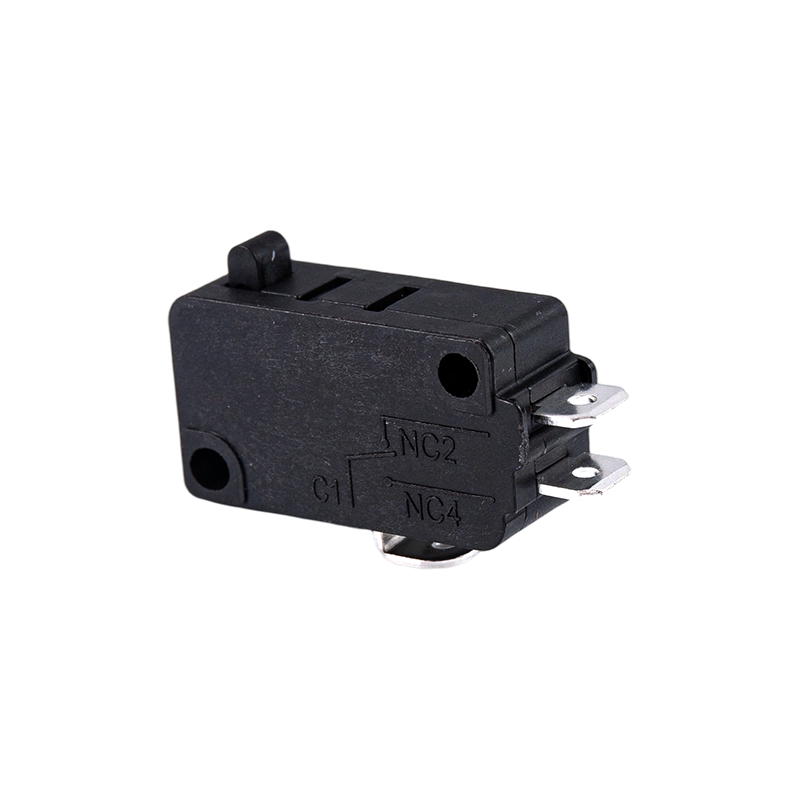
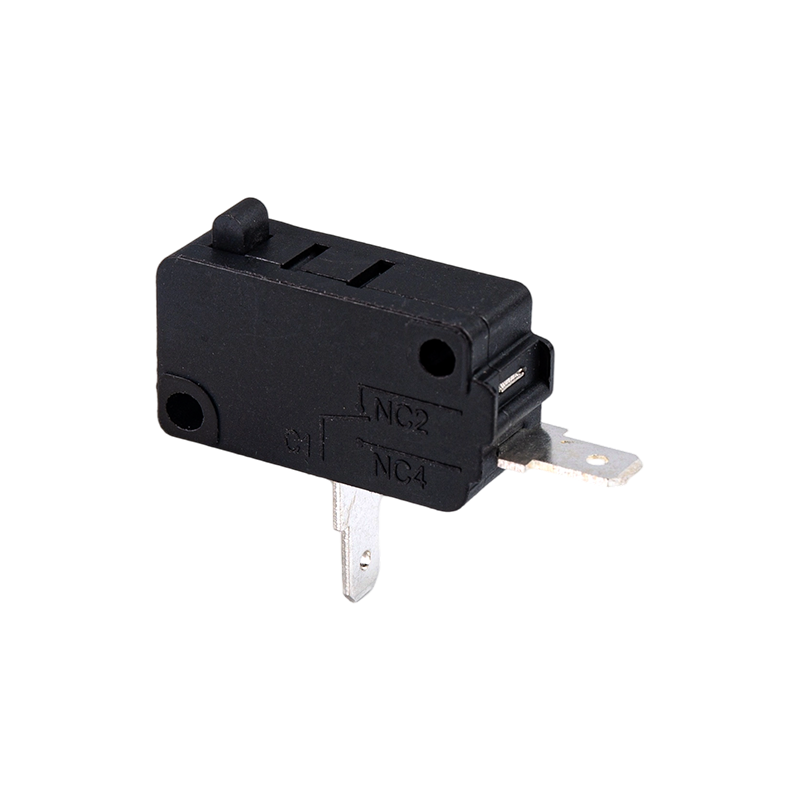
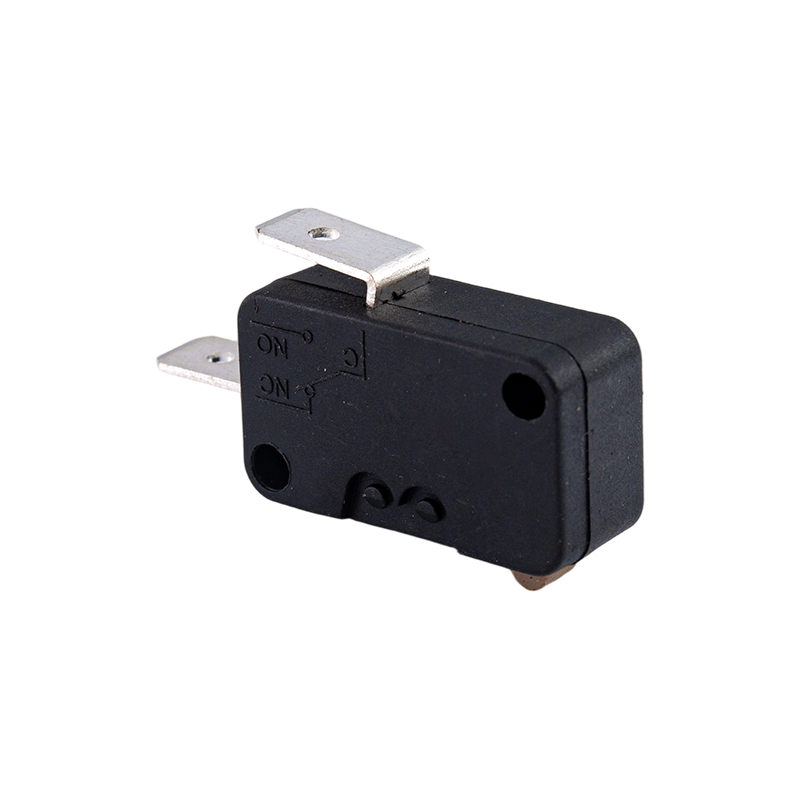
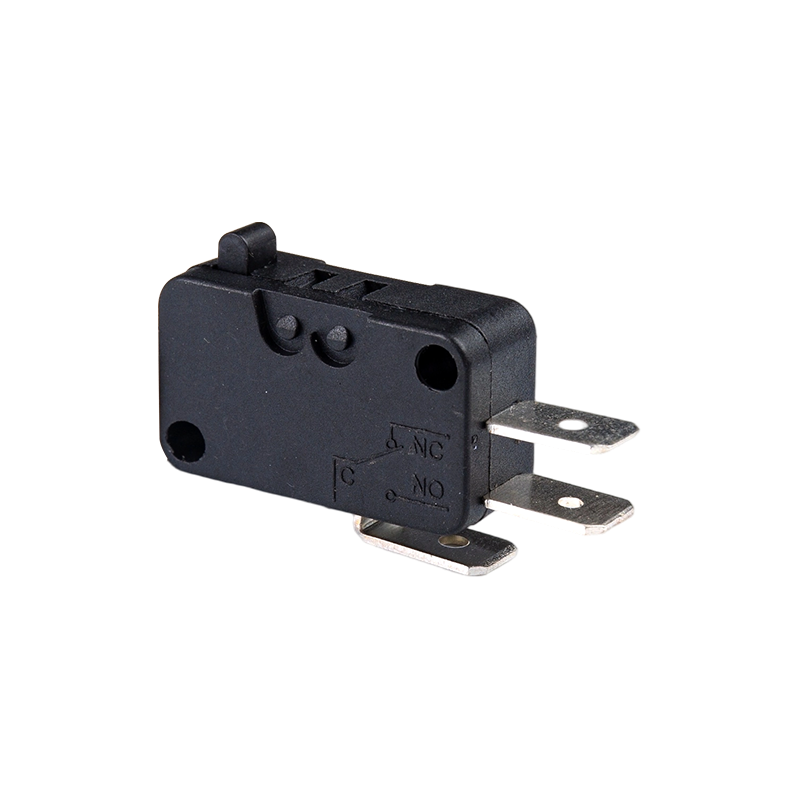
Most Micro Switches feature three terminals, allowing them to be wired in different configurations. The "COM" (Common) terminal is where the power enters. The "NO" (Normally Open) terminal only completes the circuit when the switch is pressed. Conversely, the "NC" (Normally Closed) terminal keeps the circuit complete until the switch is activated. This flexibility is what makes the miniature basic switch so useful for safety circuits; for example, a machine can be wired to the NC terminal so that if a safety panel is removed and the switch is released, the power is immediately cut to the motor.
In summary, the Micro Switch is a master of precision and reliability. Its simple yet effective snap-action design allows us to control complex machinery and everyday appliances with confidence. By selecting the right actuator and electrical rating, you can ensure that this tiny component will perform faithfully for millions of operations.

A Appliance Switches Manufacturer that has been focusing on the development, production and sales of Switches for 21 years;
Products Links
Contact Information
Tel: +86-021-33752188
Phone: +86-13524812989
E-Mail: [email protected]
[email protected]
[email protected]Address: No. 580 Shenzhou Road, Fengxian District, Shanghai, China

